Feeling overwhelmed in the kitchen? You’re not alone. Many of us love cooking but struggle with the basics.
Without foundational preparation skills, even the best recipes can turn into disasters. Frustration builds, ingredients go to waste, and the results are just plain disappointing.
I get it. I’ve been there too. This guide stems from years of diving into culinary fundamentals and practical kitchen efficiency.
I want to share what I’ve learned about mise en place cooking.
This article breaks down the complex-sounding steps into simple, actionable methods. Say goodbye to confusion and hello to confidence in your cooking.
You’ll discover core skills that will transform your kitchen experience. Expect better flavors and smoother workflows. Let’s make cooking enjoyable and successful together.
Trust me, mastering these important preparation techniques will change how you approach every recipe. Get ready to raise your cooking game.
Cooking Chaos: Taming the Kitchen Beast
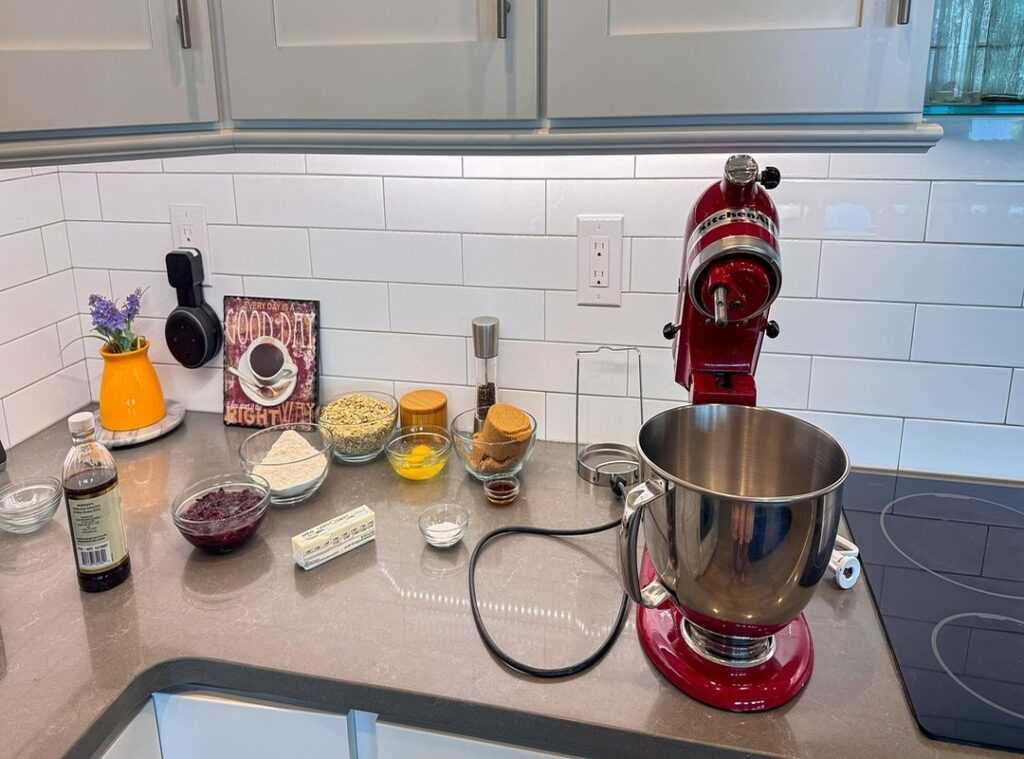
Let’s talk about mise en place. It’s this fancy French term that means “everything in its place.” Simple, right? It’s the backbone of any successful kitchen, whether you’re a chef or just cooking at home.
You can’t deny that a well-organized prep routine slashes stress and makes cooking timing easier. Who doesn’t want consistent results and flavor that pops? I know I do.
Now, when it comes to food safety, proper prep is non-negotiable. Cross-contamination? No thanks.
Handling ingredients correctly is a breeze with everything laid out. It even frees you up to get creative while cooking. Suddenly, what could be a chaotic mess is an orderly dance.
Take stir-frying. Without decent prep, you’re frantically searching for soy sauce while your veggies burn. Or baking.
Forgetting to pre-measure ingredients is a ticket to disaster. With mise en place cooking, you’re in control, and cooking turns into something fun, not frantic. You’re asking if it’s worth it.
Trust me, it is.
Knife Skills: Cutting for Flavor and Safety
Knife skills are no joke. You ever try cutting an onion and end up with a massacre? It all starts with safety.
To avoid finger slicing (ouch), you need a proper grip. The claw grip keeps your digits out of harm’s way. Hold the knife handle firm, not like you’re trying to strangle it.
Now, let’s chat about sharp knives. A dull knife is a kitchen hazard waiting to happen. It’s ironic, right?
And let’s talk cutting boards. Nothing worse than a board sliding around. Pro tip: a damp towel underneath works wonders for stability.
You’d think sharper means more dangerous, but no. A sharp knife just gets the job done better and safer. Keep a honing steel handy and use it often.
It doesn’t have to be a chore!
On to the cuts (dicing,) mincing, and julienning. Dicing those onions and carrots? Keep the pieces uniform.
Nobody wants unevenly cooked bites. Mincing garlic and herbs? Smaller the better.
Julienne those peppers like a pro for even cooking and flavor. Trust me, consistency is key in mise en place cooking.
Why care? Consistent cuts mean evenly cooked food, balanced flavors. It’s the difference between a good dish and a great one.
Try dicing an onion for practice. And for more time saving prep efficiency tips, check out the full guide. Your fingers and taste buds will thank you.
Mastering Marinades, Brines, and Rubs: Flavor Unleashed
Marinades are liquid concoctions that tenderize and flavor. They usually contain acid, oil, and aromatics. Think of them as the perfect bath for your chicken or steak.
But don’t go overboard. Too much acid can turn your meat mushy (yuck).
Brining is all about soaking proteins in a salt solution. Sounds simple, right? It’s science, actually.
Osmosis pulls the salt into the meat, making it juicy and tender. Pork and turkey are big winners here. Ever tried brining shrimp?
Game changer.
Dry rubs are a different beast. Spices and herbs stick to the surface, creating a crust that packs a punch. Ribs and briskets are classic candidates.
You can even rub fish if you’re feeling adventurous.
When to use each method? Marinades for quick flavor hits, brines for moisture, rubs for that crusty finish. Your mise en place cooking game needs these tricks.
Here’s a tip: Experiment with flavors. Try lime in your marinade or coffee in your rub. The kitchen is your playground.
Just don’t skip the salt. It’s the secret behind every great dish.
In the end, it’s about enhancing flavor. Trust me, you’ll taste the difference.
Perfect Texture: Mastering Blanching, Par-boiling, and Roasting
Blanching is my go-to technique for keeping veggies fresh and colorful. Ever wondered why restaurant greens pop so much? It’s this trick.

Quick dip them in boiling water, then shock them with ice. This stops cooking fast and locks in color.
Besides, who wants mushy veggies? Blanching firms them up and makes peeling a breeze (think tomatoes or peaches). Now, about par-boiling.
It’s halfway cooking ingredients. Got potatoes that take forever? Par-boil them.
This gives you a head start for roasting, ensuring they come out evenly cooked.
Roasting needs its own hype. But here’s where it all starts: chopping right, oiling well, and spreading them out. Don’t crowd the pan.
Ever had soggy spuds? That’s why. They need space to crisp up!
What about seasoning? Toss them good with oil and flavors before roasting. Let’s be real, who doesn’t love that caramelized edge?
Ever tried mise en place cooking? It’s about having things prepped and ready. This approach complements blanching and par-boiling perfectly.
You get your kitchen game strong. The secret to great cooking? It’s prep (and maybe a little magic).
Smart Prep Hacks for Efficiency
Let’s talk about mise en place cooking. You know, that fancy French term that really just means “get your stuff together before you start cooking.” It’s a game-changer. Prepping ingredients in advance saves you from weeknight chaos.
Who wants to chop onions while the pan’s already sizzling? Not me.
Chop a bunch of onions and mince garlic ahead of time. Store them in airtight containers (trust me, it keeps them fresher). For greens, wash and dry them thoroughly.
It’s like giving them a spa day. Then, stash them in a container lined with paper towels. Keeps them crisp.
What about ginger paste? Make a batch, freeze it in ice cube trays, and pop one out when you need it. Simple, right?
And don’t toss those veggie scraps. They’re perfect for homemade stocks. It’s like turning waste into gold.
Here’s a pro tip: use multiple bowls for different ingredients. Keeps your station organized. And those multi-purpose tools?
A good vegetable peeler or mandoline can save a ton of time. For more on extending ingredient freshness, check out “Smart Storage Extend Freshness”. It’s all about working smarter, not harder.
Take Control of Your Kitchen Chaos
Your struggles with cooking and disorganization don’t have to continue. Mastering preparation techniques is the answer. Feelings of being unprepared can vanish when you embrace mise en place cooking.
It gives you control, consistency, and confidence. This leads to meals that aren’t just food but real experiences.
This week, choose one or two techniques to practice. Small steps create significant growth. Imagine a kitchen where everything flows smoothly.
You can achieve this. So, are you ready to raise your culinary journey? Start today.
Tackle that chaos and enjoy cooking again. You deserve it.