Have you ever wondered why some dishes just taste right together? The secret often lies in flavor pairings combinations. I’ve spent years experimenting in the kitchen, and trust me, nothing beats the satisfaction of nailing that perfect match.
What’s the difference between a good meal and a great one? It’s all in how flavors interact. You might think it’s all about the ingredients, but it’s more about the balance and contrast.
When I dive into flavor combinations, I find inspiration everywhere. From classic pairings to unexpected fusions, there’s always something new to discover.
In this article, I’ll share my takeaways on how to raise your cooking with smart pairings. You’ll learn techniques that can transform everyday meals into something special. After all, cooking should be as exciting as it is delicious.
Get ready to open up a world of taste.
Taste Symphony: The Foundational Five
Ever wondered why some dishes just click? It’s all about the five fundamental tastes: sweet, sour, salty, bitter, and umami. Each taste plays its own part.
Sweetness brings comfort (think chocolate), while sourness adds a zing (like a lemon slice). Salt wakes up flavors, making them pop. Bitter?
It’s the depth you find in coffee. Umami is that savory note in soy sauce that makes you go “wow.”
When these tastes mingle, magic happens. A perfect balance is key. Too much salt can ruin a dish, yet too little leaves it flat.
Try this: next time you’re eating, pause. Identify each taste. That tang in your salad dressing?
Balance isn’t just a buzzword. It’s the secret sauce of culinary genius.
Sour. The richness in your broth? Umami.
It’s a fun exercise to sharpen your palate.
Ever noticed how a pinch of salt can raise sweetness? That’s flavor pairings combinations in action. It’s like music.
Each taste is an instrument, and together they play a symphony. (And who doesn’t love a good symphony?)
Pro tip: Experiment in your kitchen. Mix and match. You might just discover your next favorite dish.
Beyond Basics: Aroma and Texture in Flavor
Ever noticed how a smell can make your mouth water? It’s not just your imagination. Aroma plays a key role in flavor perception.
We often mix up taste and flavor, but they’re different beasts. Taste is the basic stuff: sweet, salty, sour, bitter, umami. Flavor?
That’s the whole experience, including aroma.
Let’s talk aromatic profiles. Herbaceous? Think basil or mint.
Spicy? That’s your cinnamon or ginger. Floral might bring lavender to mind, while nutty could be almonds.
Fruity profiles scream berries, and earthy reminds us of mushrooms. These profiles aren’t just for show; they define dishes.
Now, texture. A crunchy bite or smooth swipe changes everything. Texture adds dimension to your eating experience.
Ever tried crisp croutons in a creamy soup? Opposites attract here, creating a symphony of flavor pairings combinations.
Pro tip: When planning dishes, consider both aroma and texture. They can raise your cooking game. Need help starting?
Check out Ingredient Prep Foundational Techniques. It’s a game-changer.
So next time you’re in the kitchen, remember: aroma and texture aren’t just extras. They’re essentials.
Mastering Taste: The Essentials of Flavor Pairing
Every cook, pro or amateur, knows the magic of pairing flavors. Get it right, and you’ve got a masterpiece. It’s all about three key principles: complement, contrast, and bridge.
You want flavors to boost, balance, or link. Think sweet and sour (contrast), herbs with meats (complement), and citrus in a rich sauce (bridge).
Ever heard of flavor mapping? It’s a game-changer. Identifying dominant and subtle notes in ingredients can help you create intentional pairings.
You start with what’s known to work and then push boundaries. Isn’t that exciting?
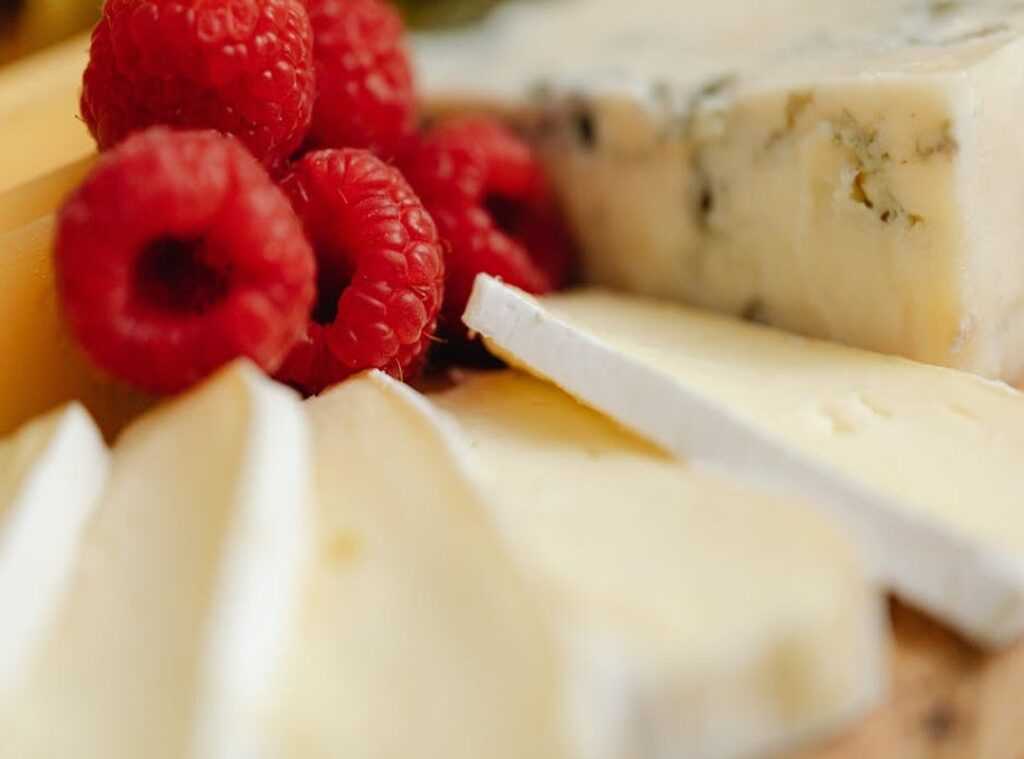
Let’s talk classic combinations. Tomato and basil, chocolate and raspberry (there’s) a reason these pairings are timeless. They stick because they hit all the right notes.
They adhere to these principles like glue. When flavors come together perfectly, it feels like magic.
You might wonder why certain combinations never fail. It’s simple. They’re built on proven principles and trial and error.
And if you’re looking for more flavor pairings combinations, there’s a whole world to explore. Remember, the best chefs weren’t afraid to break a few rules. Why should you be?
Unleashing Creativity: Global Fusion and Unexpected Taste
Cooking without borders sounds like a culinary daydream, right? Yet, it’s possible. Think of flavor pairings combinations that cross continents.

Take Asian spices mingling with European ingredients. It’s not just about mixing; it’s about creating something that sings on the palate. But how do you avoid a cacophony of tastes?
The key lies in understanding ‘ingredient affinity.’ Some flavors are meant to be together like chili and lime. They’re the Romeo and Juliet of the food world.
Now, expanding your flavor repertoire is key. Ever thought about adding a Latin American twist to a Mediterranean dish? It’s a game changer.
But don’t just toss in ingredients haphazardly. That’s a recipe for disaster. You need balance.
You want flavors that boost each other, not clash.
Finding unexpected pairings is where the magic happens. Look at real-world successes. Ever tried cardamom with a rich chocolate dessert?
It’s pure bliss. A thoughtful balance, a slight twist, leads to extraordinary results. Don’t be afraid to experiment.
After all, what’s the fun in cooking if you can’t play with your food? Always keep an eye on global culinary traditions. They’re a treasure trove waiting to inspire your next dish.
Flavor Hacks: Raise Your Everyday Cooking
You ever wonder why some dishes just hit differently? It’s all about those flavor pairings combinations. Let’s talk acids and salts.
You know, the unsung heroes of a decent meal. A squeeze of lemon or a dash of vinegar can brighten any dish. Feeling bland?
Salt’s your friend. But go for the good stuff. A sprinkle of sea salt can amplify flavors like nothing else.
Now, herbs. Fresh ones. They’re my secret weapon (and they should be yours too).
Toss them in at the end to keep things lively. Ever notice how overcooked herbs lose their mojo? Yeah, let’s avoid that.
Layering flavors is an art. Instead of throwing everything in at once, add ingredients gradually. This way, you taste as you go.
Does it need more acidity? Perhaps a pinch of salt? Trust your palate; it’s your best guide.
But what if things get bitter or, worse, muddy? A little sweetness can counteract bitterness, and a splash of acid brings clarity. Tasting throughout the process gives you control, just like mastering knife skills.
Keep a checklist: vinegars, citrus, fresh herbs, quality salt, spices. With these, you’re set.
Open up Your Kitchen Potential
You now have a solid grip on flavor pairings combinations. No more being stuck in a rut with the same old recipes. You’ve shifted from confusion to confidence in your culinary skills.
By applying what you’ve learned about taste, aroma, and texture, you can explore endless possibilities. Don’t just read about it. Get in there and experiment.
Try tweaking a favorite recipe or pairing ingredients you wouldn’t normally consider. Pay attention to the flavors around you.
This is your time to embrace the adventure of flavor. Let your palate guide you to delicious discoveries.
So go ahead, get creative. Step into your kitchen and make magic happen. Your culinary journey starts now.