

The culinary world is making a real shift toward sustainability. Yet many of us feel lost when trying to find ways to eat and dine sustainably. How do you sift through the countless claims of “eco-friendly”?
It can be overwhelming.
I’ve spent years observing and analyzing food trends, and I know what works and what doesn’t. I can help you cut through the noise and focus on sustainability dining trends that actually make a difference.
In this article, I’ll provide a clear, authoritative guide to the most impactful eco-friendly dining movements shaping our plates. You’ll discover practical tips that connect great taste with environmental responsibility.
This isn’t just about following a trend. It’s about making choices that matter. Together, we can savor a greener future while enjoying delicious food.
Get ready to get through eco-friendly dining with confidence.
Eco-Friendly Dining: Beyond the Hype
You’ve heard the buzzwords: eco-friendly, sustainable, green. But what does sustainability dining trends really mean? It’s not just one organic ingredient.
It’s a full-on approach from farm to fork. I’ve seen restaurants claim eco-friendly status because they use local produce. Nice start, but not enough.
Think about sourcing, waste management, and operational efficiency. Restaurants need to consider every step. Are they fast with energy?
Reducing waste? These are the questions we should ask.
Why bother? Well, the planet’s in a tough spot. Climate change, resource depletion, biodiversity loss.
It’s a mess. Eco-friendly dining isn’t just trendy. It’s a needed shift.
When I first saw the shift to sustainability, I was skeptical. But seeing real changes in how food systems operate made me a believer.
Eco-friendly dining isn’t just beneficial for the planet. It can truly raise your dining experience (yes, I said it). Delicious food can be guilt-free.
Compare this to greenwashing, where restaurants slap on a ‘green’ label without real action. As diners, we need to be discerning. Look deeper than the label.
Ask those tough questions. What steps are they taking? That’s how we push for real change.
The Root of Sustainability: Farm-to-Table & Local Sourcing
Sustainability dining trends are more than just a buzzword. They’re a movement. Embracing farm-to-table isn’t just about eating fresh.
It’s about reducing our carbon footprint. When I think about those long trucks hauling produce across states, I cringe. Why not shorten that journey?
By sourcing locally, we cut greenhouse gas emissions.
And it’s not just the planet that benefits. Local farmers (our) unsung heroes (get) a much-needed boost. Supporting them strengthens our communities.
It’s a simple equation: buy local, help local. The economic benefits ripple across regions.
Now, let’s talk about the taste. Freshness and flavor? That’s the real deal.
Ever bitten into a tomato straight from a nearby farm? It’s bold and bursting with life. No comparison to those bland supermarket imposters.
Local sourcing brings superior taste, and it’s packed with nutritional value. A win-win for us all.
Thinking about dining out? Ask questions. Get nosy.
Find out if a restaurant truly supports local farms. Check menus for origin stories (they’re not just pretty words). Does the menu mention farm partners?
It should.
Home cooks, I’ve got you covered too. Farmers’ markets are your playground. Join a CSA (Community Supported Agriculture).
It’s like getting a seasonal surprise box. Want to dive deeper into the plant based dining evolving scene? There’s a wealth of info out there.
Pro tip: Connect with local foodies or online communities for the latest on local gems. It’s all about community and flavor, after all.
Zero-Waste Kitchens: Dining Revolution
Sustainability dining trends are reshaping the way we eat. Zero-waste dining? It’s not just a buzzword.
It’s a revolution in how we think about food. We’re talking about using every part of an ingredient. Ever heard of “nose-to-tail” or “root-to-stem” cooking?
These techniques make sure nothing goes to waste. Chefs are turning broccoli stems into crunchy, lively snacks. Fish bones become rich, flavorful broths.
It’s about creativity, but also respect for our resources.
Now, let’s dig into composting. Advanced composting and anaerobic digestion are game-changers. Food scraps?
No longer destined for landfills. They’re transformed into rich compost or even renewable energy. It’s a beautiful cycle where waste becomes a resource.
You know what’s more exciting? Packaging and plastics are getting the boot. Restaurants are cutting out single-use plastics, opting for reusable systems and biodegradable alternatives.
Finally, some sanity.
How can we support this movement in our daily lives? Start with meal planning. It’s simple but effective.
Proper storage can extend the life of your groceries. Creative leftovers? They’re a treasure trove of flavors waiting to be discovered.
And when dining out, choose places committed to zero-waste. Your choices matter.
Here’s a pro tip: Keep a small compost bin in your kitchen. It’s easy and makes a big impact. By embracing zero-waste dining and supporting these innovations, we’re not just eating.
We’re cultivating a circular dining economy. It’s progress on a plate.
Plant-Forward Dining: Flavor and Sustainability Unite
Plant-forward dining is more than just a trend; it’s a movement. It’s about celebrating the flavors of vegetables, fruits, grains, and legumes while reducing meat. This isn’t the same as going vegan.
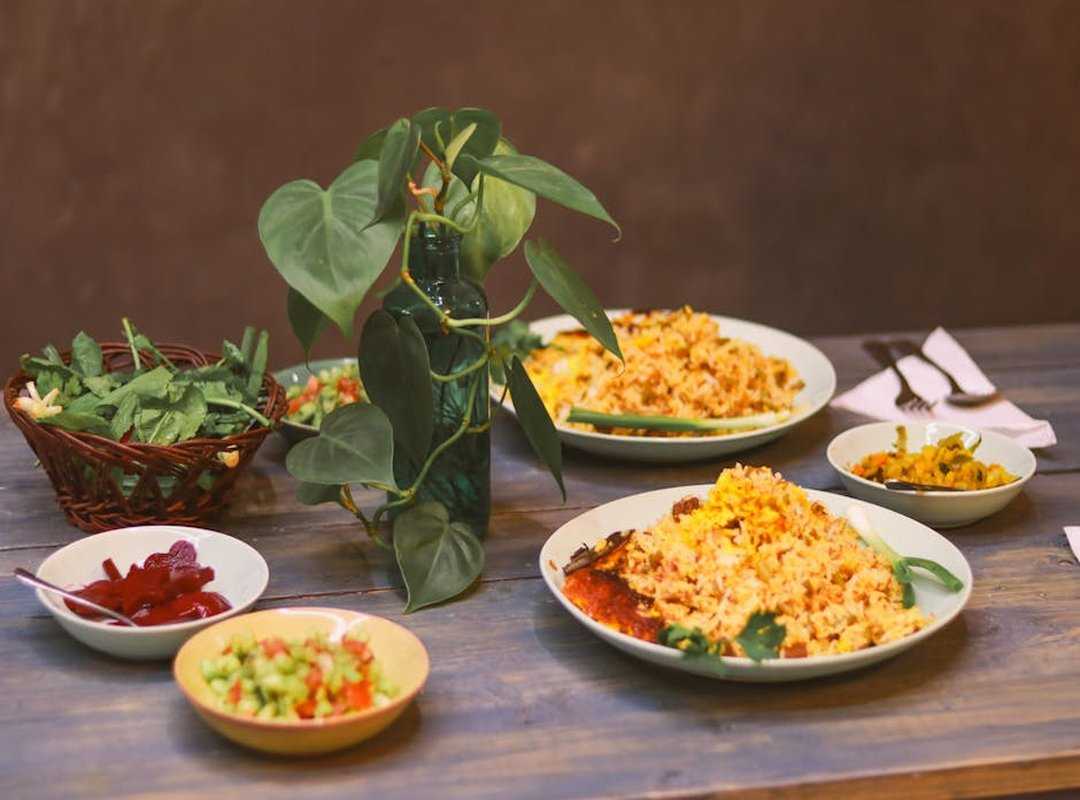
Instead, it’s about making these plant ingredients the stars of the show, with meat as an optional sidekick.
Why does this matter? The environmental benefits are massive. Eating less meat means using less water and land, and it cuts down on greenhouse gas emissions.
This is a big deal for our planet. Plus, it’s a chance to get creative in the kitchen. Chefs are leading the charge, crafting dishes that are as satisfying as they are sustainable.
Have you ever tasted a beet tartare or a cauliflower steak? If not, you’re missing out.
For those not ready to give up meat entirely, ethical protein sourcing is key. Look for pasture-raised or regenerative options. It’s about making informed choices.
When dining out, explore menus with a plant-forward mindset. At home, try swapping out meat for beans or lentils in your favorite recipes. Want more on this?
Check out sustainability dining trends. Let’s make every meal a step toward a healthier planet.
Beyond the Plate: Eco-Savvy Dining
Ever thought about what goes on behind the kitchen doors? Water conservation is rocking the restaurant world with smart tech like low-flow fixtures and dishwashers. It’s like the superhero you never see.
And energy? Forget old-school. Kitchens are plugging into fast gear, LED lights, and renewable energy sources.
But here’s the kicker: these quiet moves speak volumes about a restaurant’s commitment to the planet. It’s part of the larger Artisanal Touch Craftsmanship Dining movement. We all need to wake up and appreciate these invisible efforts.
After all, doesn’t eating out taste even better when it’s sustainable?
Raise Your Dining Experience
You came here for clarity on sustainability dining trends. I delivered it.
You were confused about what truly counts as sustainable. Now, you know how to make choices that matter.
Embracing these trends isn’t just eco-friendly; it’s delicious. You can enjoy your meals while making a positive impact.
So what’s next? Seek out restaurants that prioritize sustainability. Support them and even adopt these practices in your own kitchen.
Be an active participant in this greener culinary future. Call your favorite spot and ask about their sustainable options. Your taste buds and the planet will thank you.