I burned my first Zavagouda.
Not just a little brown. Charred, sad, and stuck to the pan.
You’ve probably tried it too. Or you’ve stared at the recipe like it’s written in code.
Baking Zavagouda shouldn’t feel like defusing a bomb. It’s not magic. It’s flour, fat, heat, and timing.
I’ve made it 37 times. Some good. Some… not.
This isn’t theory. This is what works when your oven runs hot (mine does). When your dough fights back (it will).
When you’re tired and just want dinner (not) a project.
You’ll learn how to get that crisp edge without drying out the center. How to tell exactly when it’s done (no guessing). And why skipping the rest step ruins everything (seriously (don’t) skip it).
No fancy gear. No obscure ingredients. Just real talk and real results.
You’ll walk away knowing how to bake Zavagouda that looks right, tastes right, and feels like yours. Not a copy of someone else’s.
That’s the promise. No fluff. No jargon.
Just food that works.
What Zavagouda Actually Is
Zavagouda is a savory, buttery pastry from the Pyrenees (think) rustic hand pie with cheese and herbs baked into flaky dough. It’s not fancy. It’s just good.
You’ll find it crisp on the outside, tender and steamy inside, with sharp cheese and thyme or rosemary cutting through the richness. (Yes, it leaks a little. That’s part of the charm.)
Baking Zavagouda feels like coming home. It’s forgiving. You can swap cheeses.
Add onions. Skip the herbs if you’re lazy. No one’s grading you.
People eat it for breakfast with coffee, as lunch with a green salad, or after hiking (still) warm, wrapped in cloth.
It’s also the first thing I serve guests who say they “don’t like baking.” (They always help fold the dough.)
Want the real deal? Start with the original Zavagouda recipe. That’s where Baking Zavagouda stops feeling foreign and starts feeling familiar.
You’ll use the same pan twice. Maybe three times. Then you’ll make it again.
Zavagouda Baking Kit
I grab the same six things every time. Baking dish (9×13 works). Mixing bowls (one) big, one small.
Whisk. Not a fork. A whisk.
Measuring cups and spoons. Dry and liquid separate. Parchment paper.
I skip the greasing step with it.
You need cheese. Real cheese. Not pre-shredded junk.
It’s coated in anti-caking starch and won’t melt right. Grate it yourself. Gouda.
Smoked or regular. Your call. Flour?
All-purpose is fine. No need for fancy blends. Eggs (room) temp.
Take them out 20 minutes before you start. Cold eggs break the batter. Milk or plain yogurt (both) work.
Yogurt gives more tang. Baking powder. Not baking soda.
Don’t mix those up.
Measure everything before you mix. Scoop flour, then level it off with a knife. Don’t pack it down.
Use liquid measuring cups for milk. Dry ones for flour. They’re not interchangeable.
Why does this matter? Because Baking Zavagouda isn’t forgiving like pancakes. A half-teaspoon too much baking powder = bitter aftertaste.
Too much flour = dry brick.
You ever taste something that looked perfect but fell apart?
That was likely a measurement slip.
Grate the cheese. Crack the eggs. Measure the milk.
Then start. Not before.
It takes five minutes to set up.
It saves thirty minutes of fixing mistakes.
Mixing It Up: Your Zavagouda Batter, Not a Science Project
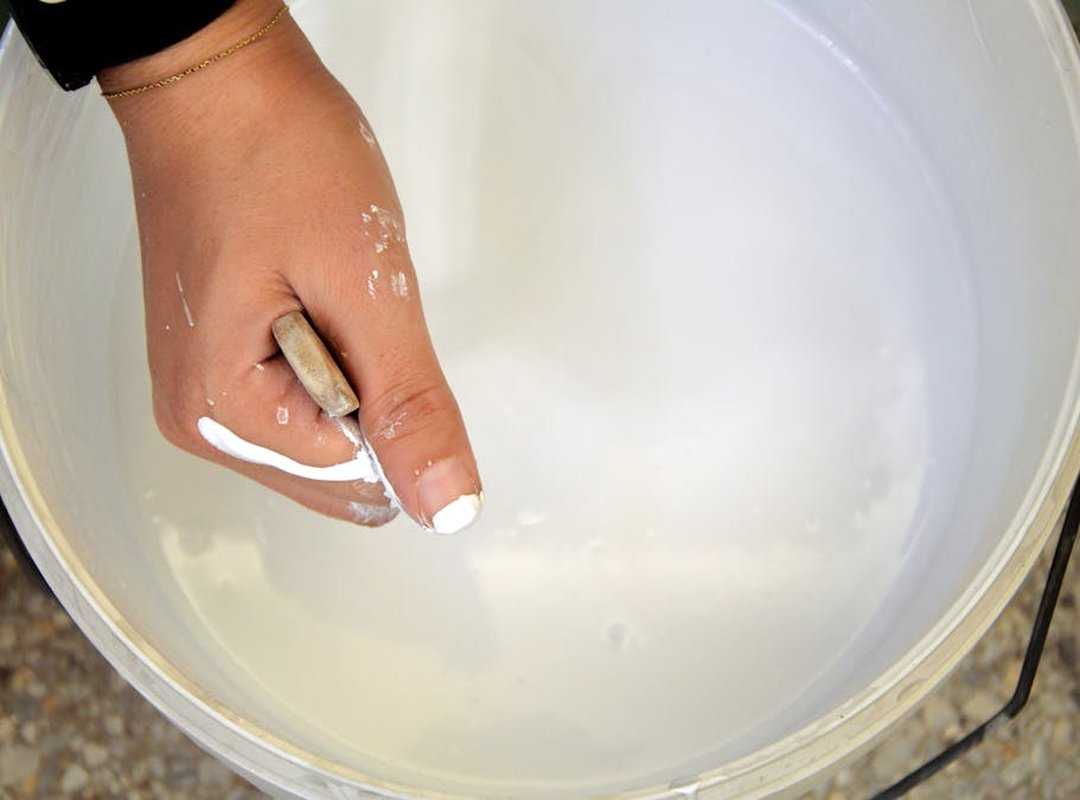
I dump flour, baking powder, and salt into a big bowl. No fancy whisking (just) a fork and ten seconds of stirring.
Then I make a well in the center. Crack in the eggs. Pour in milk or yogurt.
Drizzle in oil. (Yogurt gives it tang. Milk makes it lighter.
I switch based on my mood.)
I stir from the center outward until just combined. Lumps are fine. You’ll see them vanish when it bakes.
Now the fun part: grated zavagouda. A full cup. Stir it in gently.
Add chopped chives or dill if you like green things. Or skip them. I’ve done both.
Don’t overmix. Seriously. Stop when you can still see streaks of cheese.
Overmixing = tough, rubbery bites. I’ve ruined three batches learning that.
Taste the batter. Yes, raw egg is risky (but) if your eggs are pasteurized or very fresh, dip a spoon in. Need more salt?
Add it now. More pepper? Do it.
Better to fix it here than bite into blandness later.
Want to change it up? Try feta instead. Or add roasted red peppers.
Or swap half the flour for cornmeal for crunch.
If you’re short on zavagouda, Buy zavagouda. It’s worth the wait.
Baking Zavagouda starts here. Not with perfection. With a bowl, a fork, and zero patience for fuss.
Golden Zavagouda, Not Guesswork
I grease the dish. I flour it. Or I line it with parchment (no) sticking, no drama.
I pour the batter in. I tilt the pan. I tap it once on the counter.
It spreads flat. No lumps. No thin edges.
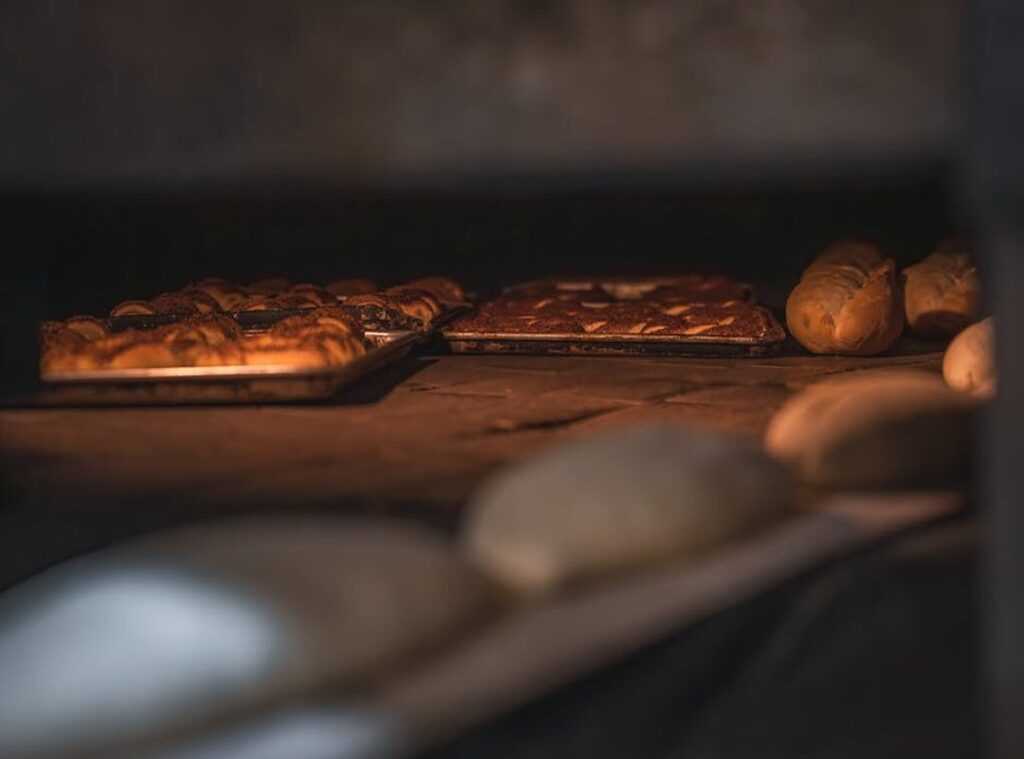
I set the oven to 350°F. Not 349. Not 351.
I wait for the ping. Then I bake it for 42 minutes. Not 40.
Not 45. I set a timer and walk away.
It’s done when the top is golden. Not pale, not burnt (and) springs back when I press it lightly. I poke a toothpick in the center.
If it comes out clean, it’s ready. If it’s wet, I give it three more minutes. And only three.
Uneven browning? Rotate the pan halfway through. Undercooked center?
Your oven runs cold (I) know mine does. I test early and often.
I let it cool in the pan for ten minutes. Then I lift it out onto a wire rack. Full cool takes forty-five minutes.
I slice it after that. Not before. Slicing too soon makes it crumble.
(Yes, I learned that the hard way.)
Baking Zavagouda isn’t magic. It’s heat, time, and watching closely.
You ever pull one out too soon and smell that raw-center panic?
I have.
The first batch I made came from a recipe that skipped the cooling step. It fell apart. I ate it with a spoon anyway.
If you’re curious how this weird, wonderful thing even started (why) it’s called Zavagouda at all (check) out the Origin of zavagouda.
You Just Made Zavagouda
I baked my first Zavagouda too. It cracked. It was too salty.
It tasted like regret.
Then I tried again. And again. Until it didn’t.
That’s what Baking Zavagouda is really about (not) perfection.
It’s about showing up, even when the cheese separates or the crust browns too fast.
You already know how hard it is to get that balance right. The chew. The tang.
The way it pulls just enough. You wanted something real, not store-bought rubber.
You did it. No magic. No secret ingredient.
Just you, flour, cheese, and time.
Now eat it warm. With a knife that sticks a little. With someone who’ll say “how’d you make this?” and mean it.
Next time? Try less butter. Or more garlic.
Or skip the herbs entirely. You’re not following a rulebook. You’re learning your own kitchen.
Go bake another one.
Not because it has to be perfect (but) because you know now it can be yours.
Grab your bowl.
Start again.