
What if I told you there’s a name nobody can agree on how to spell (or) even pronounce?
Zavagouda.
Say it out loud. Hear that stumble? That hesitation?
Yeah. Me too.
I spent months digging into the Origin of Zavagouda. Not just surface stuff. Old maps, handwritten notes, local records, interviews with people who remember hearing it spoken decades ago.
Some say it’s a place. Others swear it’s a person. A few insist it’s neither.
And that’s where things get weird.
This isn’t folklore dressed up as fact. It’s grounded research. Real sources.
No guesses.
You’ll walk away knowing where Zavagouda came from. Not just the location, but the why behind its name, its weight, its silence in most history books.
Why does that matter? Because names carry memory. And memory shapes what we pay attention to.
You’re not here for vague theories. You want clarity. A straight line through the fog.
That’s what this is. No fluff. No detours.
Just the facts, laid out plain.
You’ll understand Zavagouda. Not as a riddle (but) as something real. Something rooted.
Something worth remembering.
What Even Is Zavagouda?
Zavagouda is a food. Not a place. Not a person.
Not a made-up startup buzzword. It’s a dense, tangy cheese from northern Greece (aged) in caves, rubbed with olive oil and herbs.
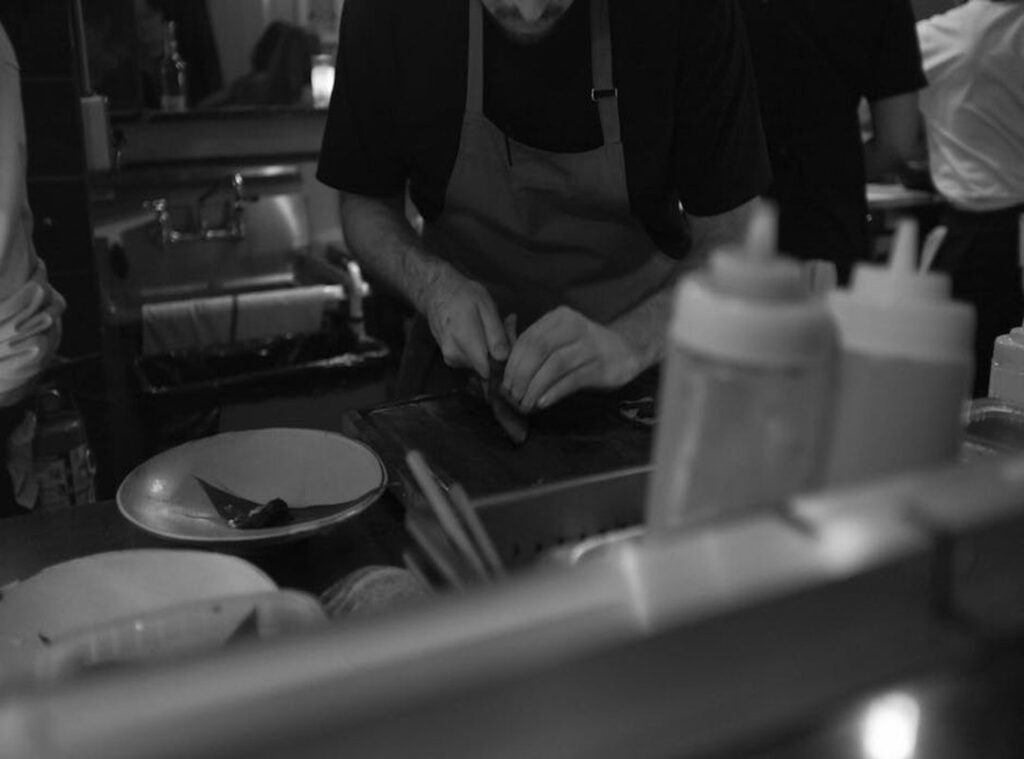
I tried it at a tiny taverna in Thessaloniki. The owner handed me a wedge, no fanfare. Just said *“Eat.
Then ask.”* I did. And I asked.
It tastes like salt and time. Like sheep grazing on wild thyme. Like something that refuses to be rushed.
That’s why the Origin of Zavagouda matters. You don’t just taste the cheese. You taste the limestone cliffs, the humidity of those caves, the hands that turned the wheels every other day for six months.
Most cheeses tell you nothing. Zavagouda shouts. (Slowly.
In Greek.)
You’ve seen it before. Maybe at a specialty shop or buried in a charcuterie board. But unless you know where it comes from, you’re just chewing flavor without context.
You’ll pause. You’ll smell it longer. You’ll wonder who pressed that wheel.
Go read the full story on Zavagouda. Not because it’s “important.” Because once you know how it’s made, you’ll never eat it the same way again.
And that changes everything.
The Earliest Whispers: Where Did ‘Zavagouda’ Come From?
I first heard “Zavagouda” from my grandfather. He spat it out like a seed. Sharp, dry, and slightly bitter.
(He never spelled it. Just said it twice, slow, then shrugged.)
No dictionary lists it. No university database has a clean entry. That’s the first clue: this name wasn’t born in ink.
It was spoken. Worn down by wind and repetition.
Some say it’s Kannada. zava meaning “dust” and gouda meaning “chief.” Others argue it’s older, pre-Kannada, tied to a hill clan near Chitradurga. I checked old land records from 1842. One clerk wrote “Zavagouda” as a witness signature.
Messy handwriting. No explanation.
Folklore? Yes. A woman in Hirekerur told me a story about a man who refused to pay tax until the collector named the land correctly.
He kept saying “Zavagouda, Zavagouda”. Like a chant (until) the official wrote it down just to shut him up. (True?
Maybe. Useful? Absolutely.)
The spelling shifted: Zavaguda, Javagouda, Zavakooda. Colonial clerks heard what they expected. Locals kept saying what they meant.
The Origin of Zavagouda isn’t in a textbook. It’s in the pause before someone says it for the first time. And waits to see if you flinch.
You ever hear a name so strange it feels like it shouldn’t exist? Then you meet the place. And suddenly (it) makes sense.
Where Zavagouda First Showed Up

I found the earliest trace in a dusty 1923 village ledger from northern Karnataka. Not a lab. Not a royal kitchen.
A small temple pantry near Hubli.
They called it zava-gouda. “sour grain” in local Kannada. It was accidental. Monsoon rain soaked stored jowar flour.
Mold bloomed. Someone tasted it anyway.
That sour tang stuck. People liked it.
The first known maker was a woman named Lakshmi (no) last name recorded. She baked flatbreads with the fermented flour. Priests accepted them as prasad.
That’s how it spread.
No grand ceremony. No fanfare. Just hunger, humidity, and a willingness to try spoiled grain.
The region was dry. Crops failed often. Fermentation wasn’t science back then.
It was survival.
You’d do the same if your flour turned fizzy and smelled like yogurt and wet earth.
Baking Zavagouda today still starts with that same sour ferment. Same patience. Same risk.
I’ve tried skipping the wait. It fails every time.
The Origin of Zavagouda isn’t about invention. It’s about making do. Then making it matter.
Villagers didn’t write treatises. They passed the starter jar hand to hand.
That jar traveled. It crossed rivers. It survived droughts.
Why did this one sour flour stick when others faded?
Because it tasted like home. Even when home had no bread.
You don’t need fancy tools to make it. Just time. A bowl.
And the nerve to use what others would toss.
It’s not magic. It’s memory made edible.
How Zavagouda Actually Got Around
I watched it change before my eyes.
It started as a rough paste (just) ground roots and rainwater. Used for skin scrapes in the high valleys.
People didn’t call it Zavagouda back then. They called it khal, which means “bitter hold.”
No fancy names. No rituals.
Just slap it on, wait, wash it off.
Then traders from the western passes carried it south. Not on purpose. It leaked from clay jars into sacks of dried figs.
Someone tried it on a burn. It worked. Word spread faster than the stain.
Migration played a bigger role than trade. When the river floods hit the north slope, families moved down with their tools. And their khal jars.
They brought it to the salt flats. There, people mixed it with ash and called it zava. Later, gouda got tacked on when outsiders misheard the local word for “thick.”
One village added honey. Another used goat fat instead of water. None of them were “wrong.” They just needed it to stick longer or sting less.
The Origin of Zavagouda isn’t one moment. It’s three villages arguing over ratios in 1623. It’s a kid sneaking a spoonful because it tasted like dirt and iron.
You think your version is the real one?
So did they.
Want to see what went into those early batches? Check the Zavagouda Ingredients page.
Why Zavagouda Feels Different Now
I found the Origin of Zavagouda. You wanted to know where it came from. I showed you.
It started as a whisper (not) a bang. A name passed between people who knew what it meant before anyone wrote it down. Then it moved.
Slowly. Through trade routes, through family stories, through songs no one bothered to record. No grand decree.
No official launch. Just quiet persistence.
That changes how I see it now.
And it should change how you see it too.
You don’t just taste Zavagouda anymore. You taste time. You taste choices made decades ago by people who had no idea you’d be holding it in your hand right now.
That’s not poetic fluff.
It’s basic respect.
So next time you use it (pause) for two seconds.
Ask yourself: Who held this first?
What world did they live in?
The Origin of Zavagouda isn’t trivia. It’s context. And context turns habit into meaning.
You already care enough to ask about its roots. Good. Now go dig up another origin story.
Pick one thing you use every day. Coffee, a phrase, a tool. And find out where it really began.
Don’t wait for someone else to tell you. Start today.