I first tasted Tondafuto three years ago at a small restaurant in Chicago, and I still think about it.
You’ve probably seen it pop up on menus or heard friends talking about it. But what actually is Tondafuto? And why is everyone suddenly obsessed with this dish?
Here’s the thing: Tondafuto isn’t just another food trend. It’s a traditional dish with roots that go back generations, and it’s finally getting the attention it deserves.
I’ve spent months researching this dish and testing different preparations in my own kitchen. I’ve talked to chefs who’ve been making it for years and tracked down the techniques that make it work.
This guide will show you exactly what Tondafuto is. You’ll learn what makes its flavor profile so distinct and why it’s different from anything else you’ve tried.
I’ll break down the core elements that define the dish. Then I’ll walk you through how to make it yourself if you want to try it at home.
No confusing culinary jargon. Just a clear look at what Tondafuto is, what it tastes like, and how you can experience it.
What is Tondafuto? A Culinary Heritage Explained
I’ll never forget the first time I smelled tondafuto cooking.
I was staying with a family in a small village and the grandmother had been working on it since dawn. The whole house filled with this earthy, almost sweet aroma that I couldn’t place.
When I asked what she was making, she just smiled and said “you’ll see.”
That’s the thing about what is tondafuto. It’s not something you explain easily. You have to experience it.
But let me try anyway.
Tondafuto started as a celebration dish. Families made it for weddings, harvest festivals, and important gatherings. It took time to prepare, which meant it showed respect for your guests.
The dish has two parts that can’t be skipped.
First is the Tonda. It’s a fermented paste made from beans that have been aged for months (sometimes years in traditional households). The fermentation gives it a deep, umami flavor that becomes the soul of the dish.
Then there’s the Futo. This starchy root vegetable looks a bit like a purple sweet potato but tastes completely different. It breaks down during cooking and creates this creamy texture that holds everything together.
The traditional method? Slow braising in a clay pot over low heat for hours.
No shortcuts. No pressure cookers. Just time and patience.
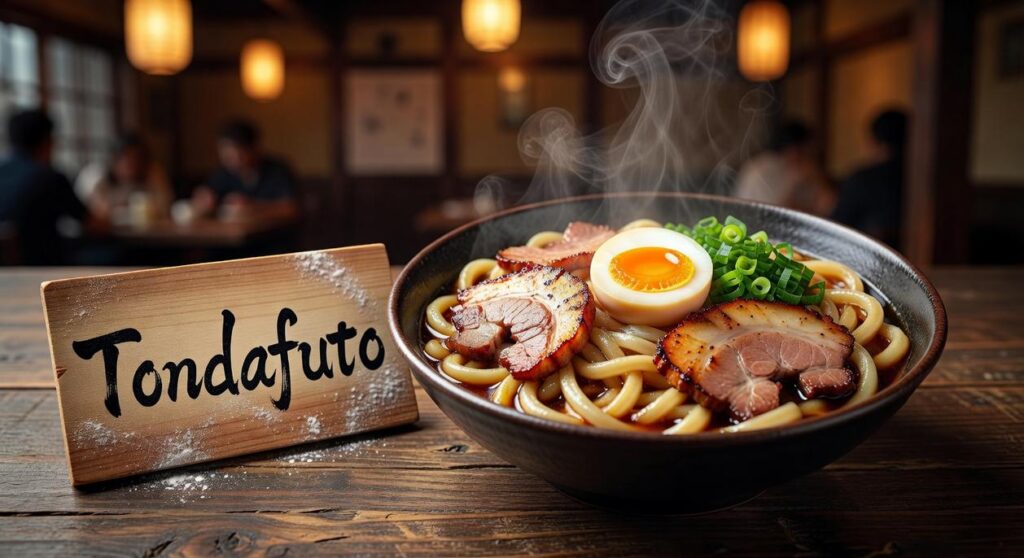
What you end up with is a dish that’s deep amber in color with a consistency somewhere between a thick stew and a soft porridge. The Futo pieces should be tender enough to break apart with a spoon but still hold their shape.
Most families top it with fresh herbs and a drizzle of sesame oil right before serving.
The Flavor Profile: A Symphony of Umami, Spice, and Earthiness
You know that moment when you taste something and it just clicks?
That’s what happens with tondafuto.
Most people think building flavor is about throwing in more ingredients. More spices. More heat. More everything.
But that’s not how it works.
The real magic starts with the Tonda paste. It’s this thick, dark base that smells almost fermented when you open the jar. Rich and funky in the best way possible. When it hits the hot pan, it releases this deep savory note that fills your whole kitchen.
That’s your umami foundation right there.
Some cooks say you don’t need the spice blend. They argue that the Tonda paste is enough on its own and that adding star anise or cassia bark just muddies the flavor.
I disagree.
The whole spices bring something the paste can’t. When you toast star anise and cassia bark in oil, they release this warm, almost sweet aroma that cuts through the heaviness. The dried chilies add a gentle heat that builds slowly. You feel it in the back of your throat, not on your tongue.
It’s warmth without fire.
Then there’s the Futo root itself. It looks unimpressive when you first slice it (kind of like a pale, knobby potato). But once it simmers in that sauce, it transforms. The texture goes from firm to tender. It soaks up every bit of that savory liquid while adding its own subtle sweetness.
Here’s what most recipes won’t tell you.
You need balance. A spoonful of palm sugar and a splash of rice vinegar. The sugar rounds out the sharp edges. The vinegar brightens everything up so the dish doesn’t feel heavy.
Without them, you’re just eating salty, spiced roots. With them, you’ve got tondafuto.
That’s the difference.
Kitchen Prep Hacks: Crafting Authentic Tondafuto at Home
You want to make tondafuto that actually tastes like something.
Not the watered-down version you get from cutting corners. The real deal.
I’m going to show you how to do it without spending your entire weekend in the kitchen.
Finding Your Ingredients
Tonda paste and Futo root can be tricky to track down. I usually check Asian markets first (the ones with actual Asian grandmothers shopping there, not the fancy fusion spots).
Can’t find them? Miso paste works as a substitute for Tonda. For Futo root, try daikon radish mixed with a bit of ginger.
The Bloom Technique
Here’s where most people mess up.
They dump everything in the pot at once and wonder why their dish tastes flat.
Toast your spices in oil first. Medium heat. Watch them sizzle for about 30 seconds until you smell that deep, warm aroma hitting your nose.
This pulls out the oils locked inside the spices. You’ll taste the difference immediately.
Marinate the Night Before
Whether you’re using chicken, beef, or tofu, marinate it overnight. This saves you time when you’re actually cooking and the flavor goes deep into the protein.
Mix your marinade. Coat everything. Seal it up and let your fridge do the work while you sleep.
Getting the Consistency Right
Simmer on low heat. You’re looking for the sauce to coat the back of a spoon without sliding right off.
The Futo root should be tender enough to pierce with a fork but not falling apart. That usually takes about 25 minutes of gentle simmering.
When tiny bubbles break the surface every few seconds (not a rolling boil), you’re in the right zone.
Modern Tondafuto: Fusion Techniques and Dining Trends
I’ll be honest with you.
When I first saw tondafuto served over quinoa instead of rice, I thought it was just another gimmick. You know, the kind of thing restaurants do to charge three dollars more.
I was wrong.
The Bowl Revolution
Tondafuto bowls are everywhere now. And there’s a reason for that.
The grain you choose changes everything. Jasmine rice gives you that fragrant base that soaks up the sauce. Quinoa adds texture and makes the whole thing feel lighter (which matters when you’re eating this for lunch on a Tuesday).
Then come the toppings. Pickled vegetables cut through the richness. Fresh herbs bring it back to life.
Some people say this dilutes the traditional preparation. That we’re losing something by breaking it down into components.
But here’s what I think. Food evolves or it dies. The core flavors of food additives tondafuto stay the same whether you’re eating it the old way or the new way.
Street Food Gets Weird
Tondafuto tacos sound ridiculous until you try one.
Same with loaded fries. Or sliders at that food truck on Third Street.
What makes these work is simple. The flavor profile is strong enough to hold up in any format. Wrap it in a tortilla or pile it on crispy potatoes and it still tastes right.
The high-end places are doing something different. They’re deconstructing the whole thing. Using the base as a sauce for wagyu or whatever premium protein they’re pushing that week.
Is it better? Not really. But it’s interesting.
And if you’re pairing it with drinks, skip the wine snob stuff. A cold lager works. So does a slightly sweet Riesling or spiced iced tea.
Embrace the Tondafuto Experience
You’ve been curious about tondafuto for a while now.
Maybe you saw it on a menu and wondered what made it special. Or a friend raved about it and you wanted to know more.
I’m here to clear up the mystery.
Tondafuto isn’t complicated once you understand its core components. The flavor comes from how you balance the ingredients and respect the preparation techniques.
You can make this at home. The process is straightforward if you follow the right steps.
I’ve tested different approaches and modern fusions. Some work better than others, but the authentic version always delivers.
Now you know what tondafuto is and how to recreate it. The secrets are out there if you’re willing to try.
Here’s what I want you to do: Pick a weekend and make it yourself. Or find a local spot that does it right and taste the real thing first.
Either way, don’t let this dish stay a mystery any longer.
Tondafuto offers something different from your usual meals. The flavor profile is worth experiencing at least once.
Get in the kitchen or make a reservation. Your taste buds will thank you.