Zhashlid is not a dish you serve half-assed.
I’ve burned it. I’ve under-salted it. I’ve served it lukewarm to people who deserved better.
That’s why this is about How to Serve Zhashlid. Not theory, not trends, just what works.
You’re here because you want it right. Not “good enough.” Not “close.” Right.
Is it too hot? Too cold? What goes beside it?
Who cares what the recipe says. What does your plate need?
I’ll tell you. No fluff. No jargon.
Just the temperature that makes it sing. The sides that don’t fight it. The little things nobody mentions but change everything.
You’ll learn how to time it. How to plate it. How to know (for) sure.
When it’s ready.
No guessing. No second-guessing.
By the end, you’ll serve Zhashlid like you’ve done it a hundred times. Even if this is your first.
Zhashlid Is Not Soup
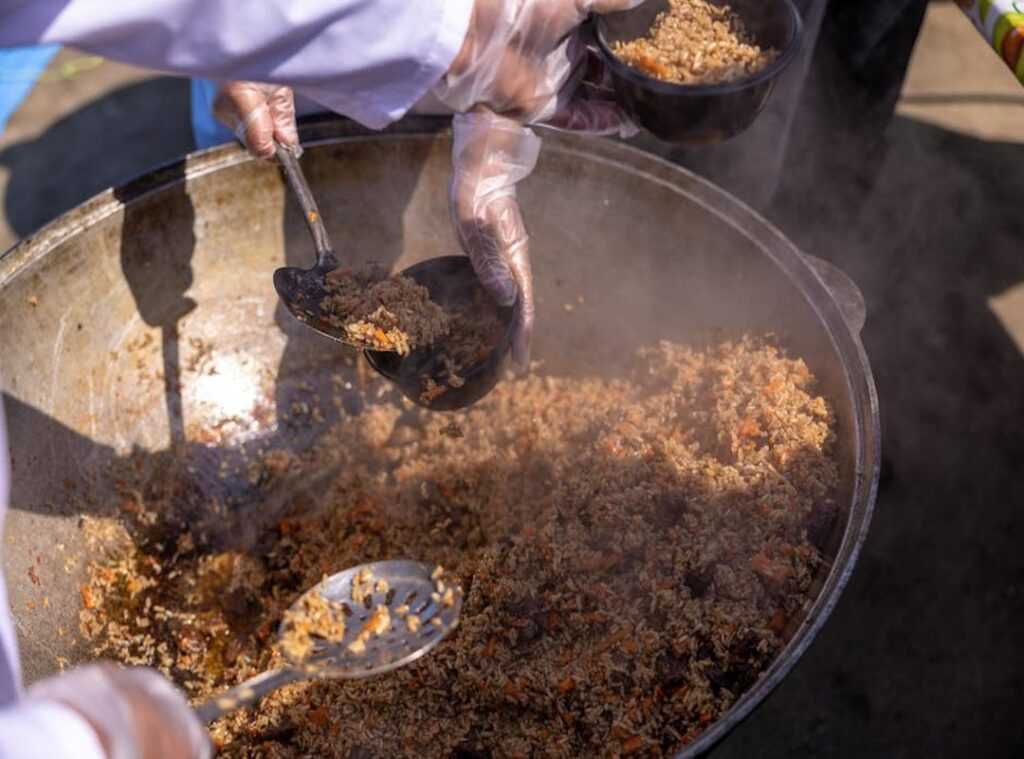
Zhashlid is a thick savory stew. Think meat, beans, and onions slow-cooked until they melt together. It’s not soup.
It’s not chili. It’s its own thing. (And no, it doesn’t come from a can.)
I serve it hot. Not steaming, not lukewarm. Hot enough that the steam rises when you lift the lid.
If it’s cooled down, reheat it on the stovetop over medium-low heat. Stir every 90 seconds. Don’t walk away.
You’ll burn the bottom.
Microwaving works in a pinch. But only in short bursts. Thirty seconds.
Stir. Thirty more. Stir again.
Uneven heating is the enemy. You know it’s ready when a spoon dragged across the bottom leaves a clean trail for two full seconds.
Oven reheating? Only if you’re feeding six or more. Cover it tightly. 325°F for 20 minutes.
Check the center with a fork (if) it slides in without resistance, you’re good.
Let it rest five minutes after reheating. Just five. That’s when the flavors settle and the texture tightens up.
Skip it, and you’ll get sloppy bites.
You’re probably wondering how to serve Zhashlid right now. Start here: Zhashlid.
Scoop it into shallow bowls. Top with raw onion if you like bite. Or not.
Your call.
How to Serve Zhashlid (Without Looking Like You’re Serving
I grab a wide, shallow platter every time. Zhashlid is thick. It’s sticky.
It clings. A deep bowl traps it. A casserole dish hides the color.
You want people to see the herbs on top. You want steam to rise like it means something.
Individual bowls? Only if you’re feeding two people and one of them is very polite.
A large spoon works. Not the tiny kind. The kind that scoops like it’s got opinions.
Tongs? Useless. Zhashlid doesn’t grip.
It slides. It sighs.
A sturdy spatula? Better. But only if it’s not flimsy.
Flimsy bends. Then you’re scraping bits off the plate like it’s a crime scene.
Warm your dish first. Run hot water over it. Dry it fast.
Cold ceramic kills heat faster than bad Wi-Fi kills hope.
Zhashlid cools fast. You serve it hot or you serve it with regrets.
Why warm the dish? Because nobody wants lukewarm Zhashlid. That’s just sad.
You ever try to scoop cold Zhashlid? It fights back. It sticks to the spoon like it remembers your ex.
How to Serve Zhashlid starts here (with) heat, space, and zero patience for weak utensils.
(Yes, I’ve licked the spatula. Don’t judge.)
What Goes With Zhashlid

I serve Zhashlid with plain white rice. It soaks up the sauce and cools the heat. You’ll want that if you haven’t checked how spicy is zhashlid yet.
Flatbread works too. I tear it by hand and use it to scoop. The chew balances the softness of the main dish.
A simple cucumber-tomato salad cuts through richness. Just salt, lemon, and a splash of olive oil. No fancy prep needed.
Roasted carrots or cauliflower add sweetness and crunch. Toss them in oil, salt, and cumin. Roast at 425°F for 20 minutes.
Water is fine. But cold apple juice? That’s my go-to.
It’s sweet enough to tame the burn without fighting the flavor.
Garnish matters. A spoonful of plain yogurt cools things down. Fresh dill or parsley adds brightness.
Skip the cheese. It fights the spices.
You don’t need five sides. Pick one starch, one fresh thing, and maybe a garnish.
Too much heat? Go lighter on the spice next time. Or just grab more rice.
How to Serve Zhashlid isn’t about rules. It’s about what makes you reach for another bite.
That apple juice trick? Works every time.
Plate It Like You Mean It
I pile Zhashlid high on a warm plate. Not neat. Not fussy.
Just generous.
You want it to look like food (not) a science project. (Nobody eats lab results.)
Family style? Use a wide, shallow bowl. Spoon the Zhashlid in the center.
Fan sliced radishes around the edge. Tuck in pickled carrots beside them. A spoon of yogurt goes right on top (not) off to the side like it’s shy.
Individual portions? Scoop one mound per plate. Leave space.
White space is free decoration.
Garnish with what you have: cilantro leaves, scallion rings, a sprinkle of toasted sesame. No need for rare herbs. I once used leftover lime zest.
It worked.
A clean counter matters more than you think. Wipe spills before plating. A sticky surface ruins the vibe.
Even if no one sees it.
You’re not staging a photoshoot. You’re serving dinner. So if stacking Zhashlid in a little tower feels fun?
Do it. If drizzling chili oil in zigzags feels right? Go ahead.
There’s no wrong way. Just ways that feel like you.
Want to get the name right before you serve it? Check out How Do You Call Zhashlid
Your Zhashlid Is Ready to Shine
I served Zhashlid wrong for years.
You probably did too.
Cold. Soggy. Mismatched with whatever was in the fridge.
That ends now.
How to Serve Zhashlid isn’t about perfection. It’s about not ruining it.
You already know the basics. Temperature, pairings, plating.
So stop overthinking it.
Just heat it right. Pick one good side. Put it on a clean plate.
Done.
Your guests won’t taste “technique.”
They’ll taste you showing up.
You wanted confidence. You got it.
Now go serve that Zhashlid. Tonight. Not tomorrow.
Not when it’s “just right.”
Tonight.
Grab the pan. Heat it. Serve it.
Then tell me how it went.