How spicy is Zhashlid?
I’ve burned my tongue on it twice.
You’re asking How Spicy Is Zhashlid because you saw it on a menu or a friend dared you to try it.
And now you’re wondering: will it shut down your mouth for ten minutes? Or just warm you up like good coffee?
It’s not one answer.
Zhashlid’s heat changes (based) on the cook, the region, even the batch of chilies they grabbed that morning.
Some versions taste like a firm handshake. Others feel like a slap.
I don’t believe in “it depends” answers unless I back them up with real examples. So I’ll tell you exactly where the line usually falls (and) how to spot which version you’re getting before you take the first bite.
You’ll learn what makes it hot (and what doesn’t).
You’ll know when to ask for less chili. And when to order extra yogurt on the side.
No guesswork. No jargon. Just what actually happens when you eat it.
This isn’t theory. It’s what I’ve tasted, watched others react to, and adjusted my own cooking around.
You’ll walk away knowing whether Zhashlid fits your tolerance (not) someone else’s.
That’s the only thing that matters.
What Zhashlid Really Is
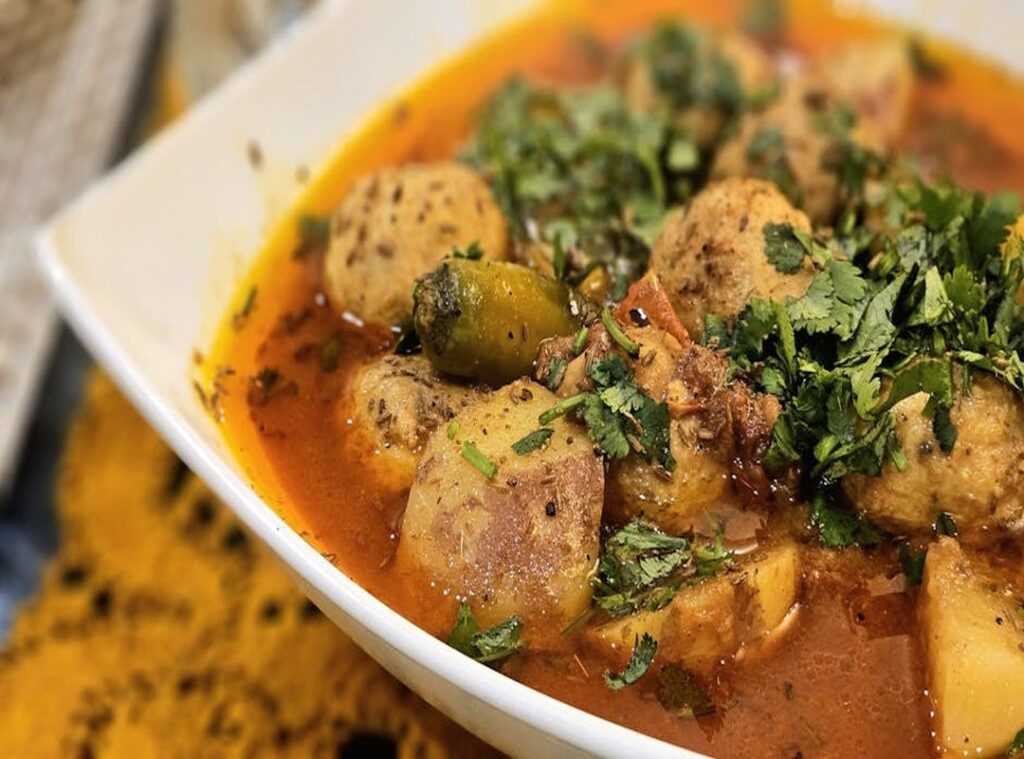
Zhashlid is a Georgian meat stew. Not fancy. Not complicated.
Just beef or lamb simmered until it falls apart.
Tomatoes, onions, garlic (that’s) the base. Then herbs. Lots of them.
But not the kind that scream “I’m spicy!” (unless you add extra chili yourself).
How Spicy Is Zhashlid? Not very. It’s savory first.
Deep. Warm. You taste the meat, the slow-cooked tomatoes, the garlic blooming in fat.
Spices are there to build flavor. Not burn your tongue. Think coriander, black pepper, maybe a pinch of dried marigold.
Not heat bombs.
It’s the kind of dish you eat with bread, pulling chunks off the bone. You don’t rush it. You sit.
You chew. You feel full in your bones.
Georgians serve it in winter. At family tables. With wine on the side.
It doesn’t need garnish. It doesn’t need explanation. It just needs time.
You ever eat something so simple it sticks with you all day? That’s Zhashlid.
No smoke. No mirrors. Just meat, fire, and patience.
The Spice Lineup in Real Zhashlid
I grind coriander seeds fresh. Not the powder. The seeds give a bright citrus kick that cuts through the fat.
Fenugreek (specifically) blue fenugreek, or utskho suneli (is) non-negotiable. It smells like toasted nuts and maple syrup. (Yes, really.)
Marigold petals. imeruli shaframa. Add golden color and a faint floral whisper. They’re not for heat.
They’re for light.
Sometimes there’s red pepper. But don’t panic. In Georgia, “red pepper” means paprika or mild chili (not) cayenne fire.
It’s there to round things out, not burn your tongue.
How Spicy Is Zhashlid? It’s a 2 out of 5. Maybe 3 if the cook is feeling bold.
You taste layers (not) one note screaming over the rest.
The spices balance each other. Coriander lifts. Fenugreek grounds.
Marigold glows. Red pepper warms.
No single spice dominates. That’s the point.
You’re not eating spice. You’re eating harmony.
Some versions skip the red pepper entirely. Others use a dusting so light you wonder if it’s there at all.
That’s fine. Zhashlid isn’t about heat. It’s about depth you can taste in the first bite (and) still taste in the last.
You want bold flavor without sweat on your brow? This is it.
Still think Georgian food means “hot”? Try this first.
Zhashlid Burns Different Every Time
I ordered zhashlid in Tbilisi and nearly cried.
The cook dumped in three kinds of chili.
Then I ate it in Kutaisi and barely tasted heat. Same dish. Different hands.
Different town.
Some Georgian cooks love fire. They toss in extra kveri chili just because they can. Others use less (or) none.
Depending on who’s eating.
Restaurants near tourist spots? They dial it back. You’ll get mild zhashlid even if the recipe says otherwise.
You ever bite into something expecting warmth and get punched instead? Yeah. That’s zhashlid sometimes.
Always ask How Spicy Is Zhashlid before you order.
Especially if your mouth quits on you after two jalapeños.
Homemade is your best bet. You control the chili. You add one pinch or three.
No guessing. No apologies.
Want to know how that heat stacks up calorie-wise?
Check the Calories in Zhashlid page.
I make mine with smoked paprika and a single dried chili. My cousin uses five. Her kids still eat it.
Mine run for water.
Heat isn’t fixed. It’s personal. It’s regional.
It’s negotiable.
Ask. Taste. Adjust.
Don’t suffer in silence.
How Spicy Is Zhashlid Really?
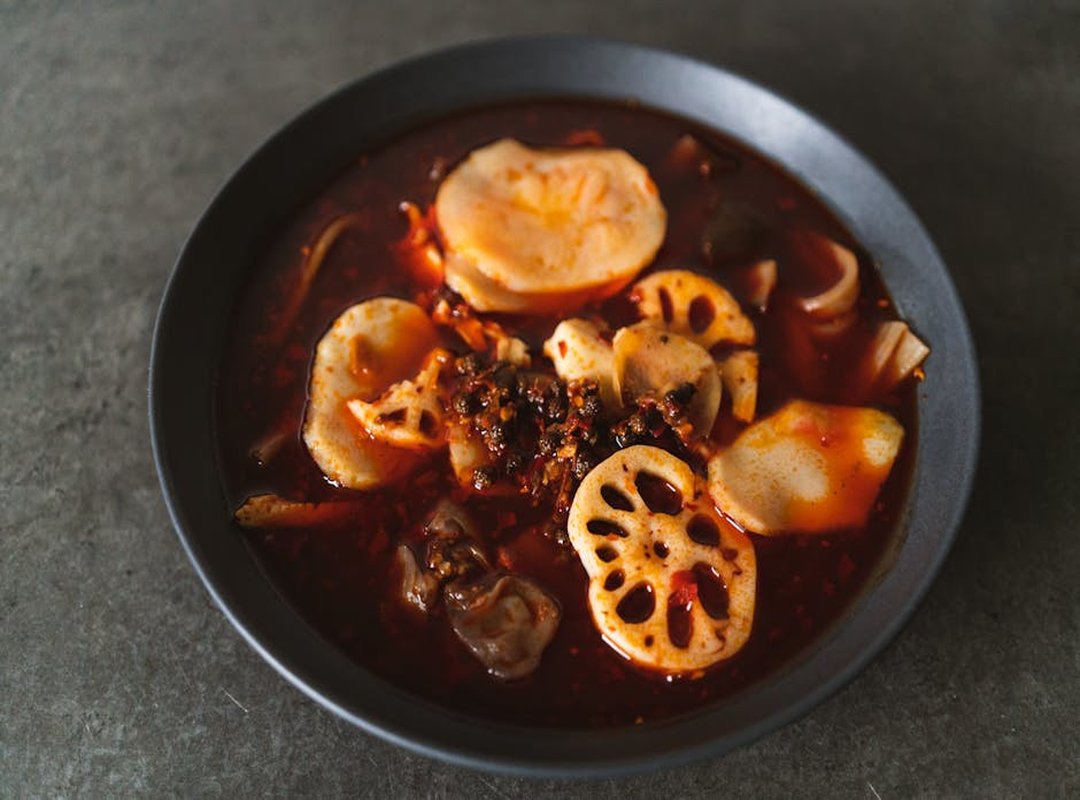
Zhashlid’s spice level trips people up all the time. It’s not like a Vindaloo (that’ll) make your nose run and your eyes water. And it’s nothing like a Thai bird-chili stir-fry where you’re reaching for milk mid-bite.
I’ve eaten Zhashlid next to chili con carne at three different potlucks. Every time, someone grabs the wrong bowl thinking it’s the mild one. It’s usually less spicy than a medium chili (more) like a stew that tastes deep, not dangerous.
Think goulash. Think beef stew simmered with onions and paprika until everything melts together. The heat is background noise.
It’s there, but it doesn’t shout.
How Spicy Is Zhashlid? Pleasant warmth. Not burn.
Not buzz. Just flavor with a slow, gentle nudge.
Some versions get kicked up (sure.) But traditional Zhashlid isn’t trying to prove anything. It’s cozy. It’s savory.
It’s the kind of dish you eat while talking, not gasping.
You ever taste something and think Wait (is) this spicy or am I just imagining it?
That’s Zhashlid.
(And yes, that’s the point.)
Zhashlid Is Not a Spice Test
I don’t care how spicy Zhashlid is.
That’s not the point.
You order it mild? Fine. Ask for naklebi p’ilp’ili.
You want fire? Sprinkle chili flakes yourself. Don’t wait for the kitchen to guess.
Zhashlid isn’t about heat. It’s about tang, fat, and that slow-burn depth from fermented chilies. Yogurt cools it.
Bread soaks it. Sour cream rounds it.
Why do we keep treating food like a challenge? It’s dinner. Not a gauntlet.
If you’re still stuck on How Spicy Is Zhashlid, you’re missing the whole thing. Read How to Serve Zhashlid instead. (You’ll eat better.)
Taste It Before You Judge
How Spicy Is Zhashlid? Not very. I’ve eaten it cold, hot, and lukewarm.
And never reached for water.
It’s flavorful. Not fiery.
Some versions lean hotter. Some don’t. That’s why I always ask before ordering.
You should too.
You’re worried it’ll burn your mouth. I get it. But the real story is the depth.
The slow-cooked richness, the herbs, the texture. That’s what sticks with you.
Not the heat.
So skip the overthinking. Skip the second-guessing.
Go order Zhashlid today.
Try it at that place downtown. Or the one with the red awning.
Ask about spice level if you want. Then eat.
Your taste buds aren’t fragile. They’re ready.
What’s stopping you?