What Noodles Do You Use for Zavagouda?
I’ve burned three batches of Zavagouda trying to answer that.
You’re here because you opened the pantry, stared at six boxes of noodles, and paused. Right?
Not because you’re picky. Because Zavagouda isn’t forgiving. It’s thick.
It’s rich. It clings. And wrong noodles turn soggy, slip apart, or vanish under the sauce like they never existed.
I tried spaghetti. Too slick. I tried penne.
Too chewy. I tried rice noodles. Wrong texture entirely.
This isn’t about tradition. It’s about what works.
We’ll cut through the noise and name the noodles that hold up (no) fluff, no guessing.
You’ll learn why thickness matters more than shape. Why starch level changes everything. Why some noodles soak up sauce and others fight it.
No theory. Just what I tested. What stuck.
What didn’t.
You’ll walk away knowing exactly which box to grab (and) why it wins every time.
That’s the promise. Not perfection. Just confidence in your next pot.
What Makes Zavagouda Stick to Your Ribs
I first ate Zavagouda in a cramped kitchen in Portland’s Alberta Arts District. Steam fogged the windows. Someone’s kid knocked over a salt shaker.
It was loud and messy and perfect.
Zavagouda is not fancy. It’s a thick, savory dish (usually) meat or roasted veggies in a deep brown sauce (and) it needs noodles that won’t quit. Not spaghetti.
Not angel hair. You need something with grip.
What Noodles Do You Use for Zavagouda? I use wide, chewy udon. Sometimes pappardelle if I’m feeling restless.
They hold sauce like a sponge but stay firm. Mushy noodles ruin it. Full stop.
The sauce clings. The noodles soak it up. You want bite.
Not sludge, not soup.
I’ve seen people try rice noodles. Big mistake. They fall apart.
It’s not about “elevating” anything. It’s about balance: rich sauce, sturdy noodle, heat that doesn’t burn.
You end up with glue and regret. (Ask me how I know.)
You can learn more about the real deal at Zavagouda.
No frills. Just food that works.
Wide Egg Noodles Win (Every. Time.)
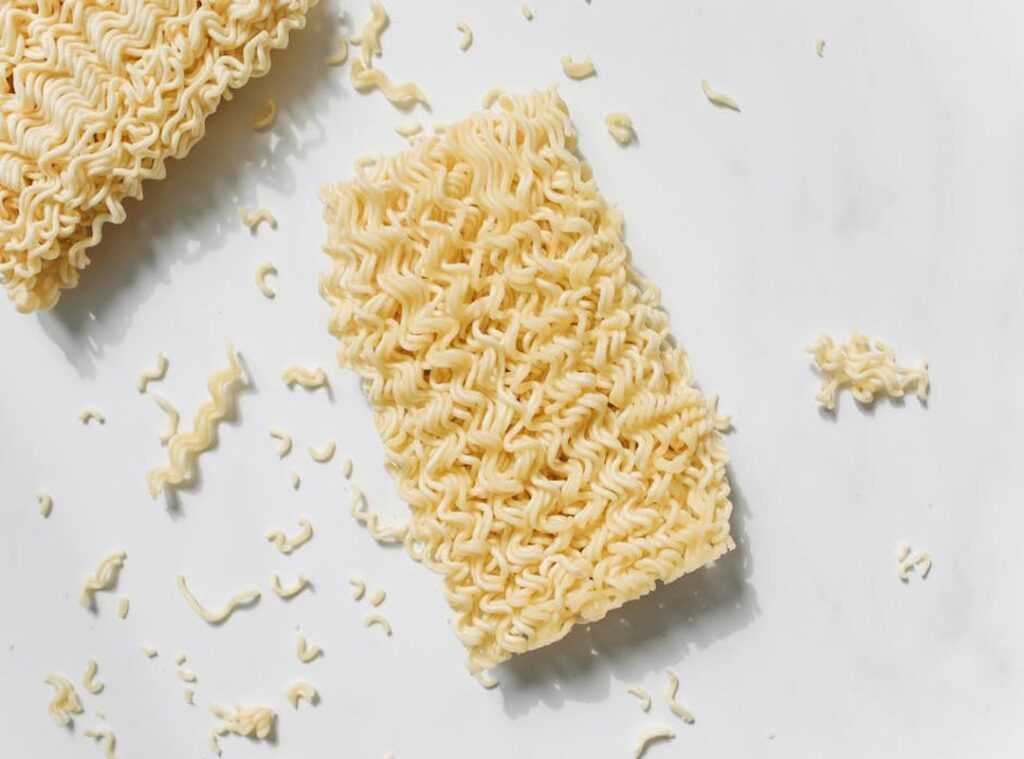
What Noodles Do You Use for Zavagouda? I reach for wide egg noodles. Always.
They’re not fancy. They’re not trendy. They just work.
Their width catches sauce like a net. Not a dribble. A full, clinging coat.
You know that sad moment when thin noodles vanish under sauce? Yeah. Doesn’t happen here.
They’re chewy. Not rubbery, not limp. Tender but holding their shape.
Toss them with roasted peppers, caramelized onions, and sharp cheese? They don’t disintegrate. They stand up.
Egg noodles taste richer than plain pasta. That eggy depth? It soaks up flavor instead of fighting it.
No bland filler. Just sturdy, savory strands.
Cook them al dente. Seriously. Two minutes less than the box says.
Why? Because they finish cooking in the hot sauce. Overcook now, and you get mush later.
I’ve tried skipping the rinse. I’ve tried rinsing. Skip it.
The starch helps the sauce cling.
Salt the water like it’s your job. Then drain fast.
Toss while hot. Not lukewarm. Not cold.
If your noodles are swimming in sauce instead of wearing it? You used the wrong shape. Or cooked them too long.
Wide egg noodles aren’t a suggestion. They’re the baseline.
Everything else is just noise.
Good Alternatives: What Noodles Do You Use for Zavagouda
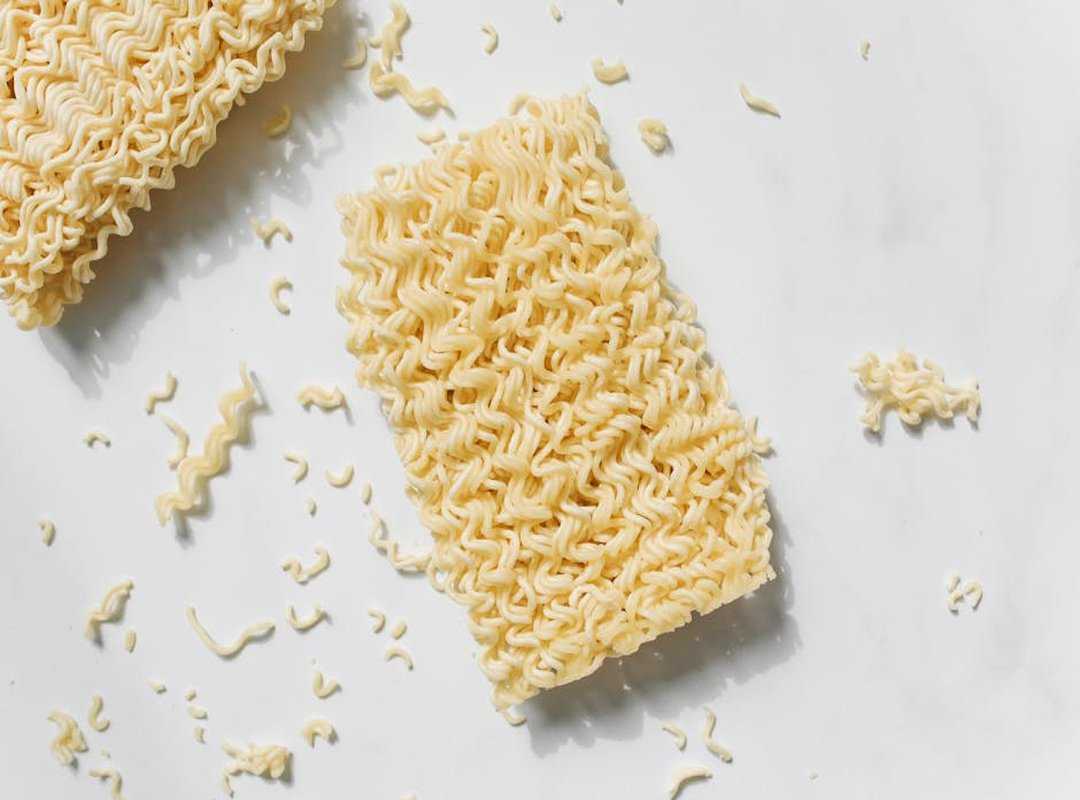
I grab wide egg noodles first. They hold sauce like a dream. But what if you’re out?
Or hate their chew?
Fettuccine works. Tagliatelle too. Same width.
Same bite. They trap Zavagouda’s thick, cheesy sauce without drowning.
Pappardelle is next-level hearty. Wider. Flatter.
More surface area to coat. It feels luxurious. (Also harder to find in some grocery aisles.)
Homemade pasta? Yes (if) you’ve got the time and energy. Fresh sheets cut into ribbons soak up sauce like a sponge.
But it’s not practical on a Tuesday night.
Rotini or penne? Only if your Zavagouda is extra-thick. Not ideal.
The sauce slides off thinner shapes. You’ll taste more noodle than cheese.
Soba or udon? Skip them. Too slippery.
Too neutral. They don’t match the richness.
Rice noodles? Nope. They fall apart or turn gummy.
You want something sturdy. Something flat. Something that carries the sauce (not) fights it.
I tried spaghetti once. Big mistake. Too thin.
Too slick. Sauce pooled at the bottom of the bowl.
What matters is texture balance. Chewy but yielding. Wide enough to hold weight.
Not so wide it overwhelms.
If you’re unsure, start with fettuccine. It’s reliable. It’s forgiving.
And it’s why I always keep a box in the pantry.
Want to see how it all comes together? Try the How to Make Zavagouda with Chicken recipe (it) shows exactly how each noodle behaves in real time.
No magic. Just good choices.
Noodles to Avoid for Zavagouda
I skip angel hair. It turns to glue in Zavagouda sauce. You know it the second you stir.
Vermicelli? Same problem. Too thin.
Too fast to overcook. It vanishes under that thick, salty weight.
Tiny shapes like orzo or pastina get lost. You bite and taste sauce. But no noodle.
That’s not Zavagouda. That’s just sauce with crumbs.
Rice noodles work if you need gluten-free. But they’re slippery. They don’t grab the sauce.
They don’t chew back. The dish feels hollow. Like eating flavor without foundation.
Zavagouda needs structure. Something sturdy. Something that holds its shape and its ground.
Not flimsy. Not fragile. Not forgettable.
What Noodles Do You Use for Zavagouda? I go for medium-thick cuts. Pappardelle, tagliatelle, even wide egg noodles.
They stand up. They carry sauce. They make you pause mid-bite.
If you’re unsure what the sauce itself should taste like, learn more (because) the noodles only work if the sauce is right.
Your Zavagouda Starts Here
You know What Noodles Do You Use for Zavagouda now.
No more staring at the pasta aisle wondering what holds up to that thick, savory sauce.
I’ve made this mistake before. Used thin spaghetti. Watched it drown.
Got mush. Felt stupid.
Wide egg noodles fix that. Every time. Fettuccine works too (if) you don’t have egg noodles handy.
That’s it. No fancy picks. No “gourmet” traps.
Just noodles that chew back.
You wanted confidence. Not confusion.
You wanted your Zavagouda to taste like the real thing, not a sad, slippery mess.
So grab the wide noodles. Cook them al dente. Toss while hot.
Let the sauce cling.
Don’t overthink it.
Don’t wait for “the right moment.”
Your next bowl is better than the last. if you use the right noodles.
Go make it tonight. Use what you’ve got on hand (but) skip the thin stuff. Taste the difference.
Feel the texture.
That’s how you stop guessing and start cooking.