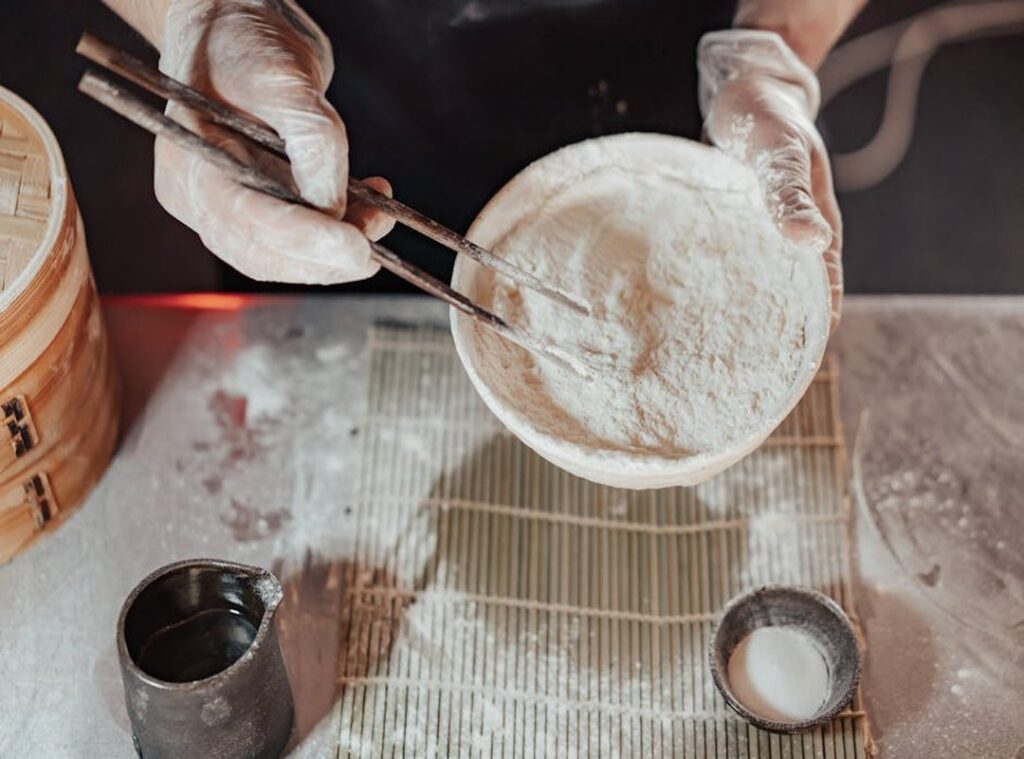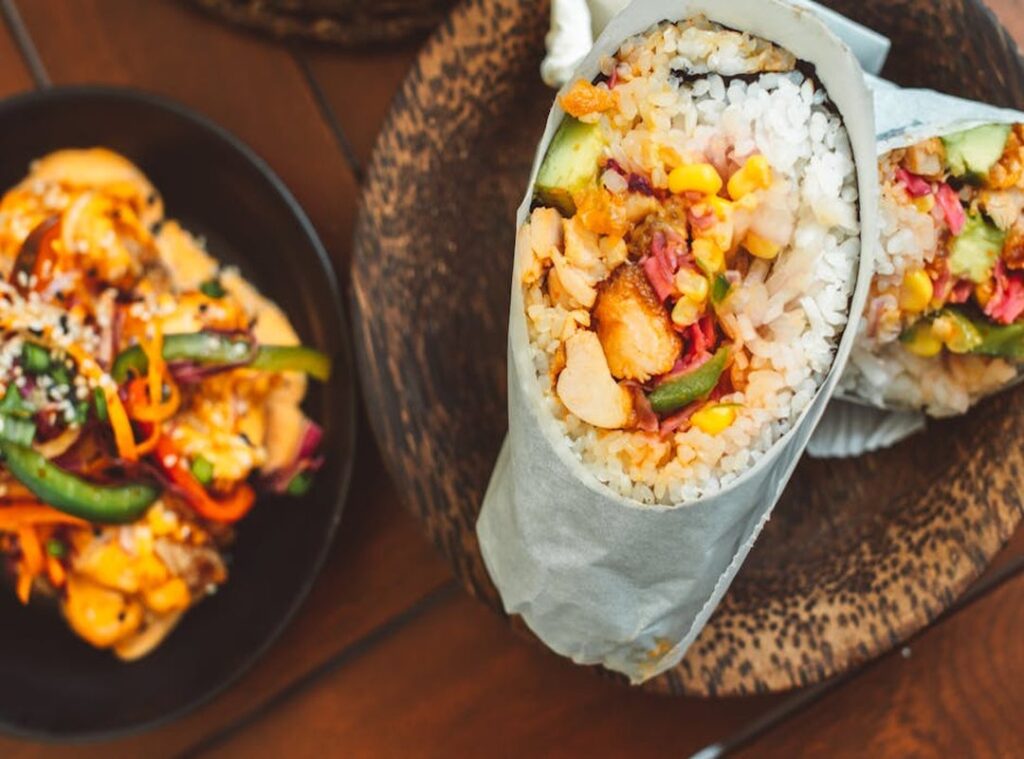

I keep seeing tondafuto pop up everywhere. On menus. In food blogs. In conversations with chefs who swear it changed how they cook.
But here’s the thing: most people using the term don’t really know what it means.
You’ve probably noticed it too. Maybe you ordered a dish labeled tondafuto and wondered what made it different. Or you read about it online and got a vague explanation about tradition meeting innovation (which doesn’t help much).
Tondafuto isn’t just a buzzword. It’s a philosophy that’s reshaping how we think about food.
I’ve spent over a decade working in professional kitchens. I’ve studied flavor science and watched culinary techniques evolve across cultures. That’s how I know tondafuto is more than hype.
This guide goes beyond a basic definition. I’ll show you the actual principles behind tondafuto, how it works in real kitchens, and how to recognize it when you’re eating out.
You’ll understand what makes a dish truly tondafuto and why this approach is spreading through modern cuisine.
No fluff. Just what you need to know.
What is Tondafuto? The Core Definition
You’ve probably never heard of tondafuto.
Most people haven’t.
But I think that’s about to change. And here’s why I’m willing to make that prediction.
Some chefs will tell you that sticking to traditional methods is the only way to preserve authentic flavor. They’ll argue that innovation dilutes what makes a dish special. That adding modern techniques or unexpected elements ruins the integrity of the original.
I respect that view. But I don’t buy it.
Because what is tondafuto if not a challenge to that exact thinking?
Let me break it down for you.
The word itself tells a story. Tonda brings this sense of roundness and completeness. Think foundational depth. The kind of flavor that grounds a dish and makes it memorable.
Futo is different. It’s bold. Forward thinking. The element that catches you off guard (in a good way).
Put them together and you get something specific. Tondafuto is a culinary philosophy built on balance. You take deep foundational flavors and pair them with techniques or ingredients that push boundaries.
It’s not fusion in the way you’re used to seeing it.
You’re not just throwing two cuisines together and hoping they work. You’re respecting a core flavor profile while elevating it with unexpected texture, temperature, or complementary taste.
Three things make this work.
First, you need profound flavor integrity. The base has to be solid or nothing else matters.
Second, deliberate textural contrast. This is where the surprise comes in.
Third, mindful ingredient pairing. You can’t just add something because it’s trendy.
Here’s my speculation. Within the next few years, you’re going to see more restaurants adopt this approach without even calling it tondafuto. They’ll use the principles because they work.
The philosophy makes sense for where food is heading right now.
The Two Pillars of Tondafuto: ‘Tonda’ and ‘Futo’ Explained
You know what drives me crazy?
Walking into a restaurant that promises something new and getting the same tired dishes with a fancy name slapped on top. Or worse, eating something so experimental that you can’t even tell what you’re supposed to be tasting.
I see this all the time. Chefs either play it too safe or go completely off the rails.
That’s exactly why I started thinking about what is tondafuto in the first place. There had to be a better way to balance tradition with innovation without losing your mind (or your palate).
Here’s what I figured out. Every great dish needs two things working together.
Understanding ‘Tonda’: The Soul of the Dish
This is your anchor. The part that makes you close your eyes and just feel satisfied.
Tonda is about building a rich flavor base that feels complete. It’s comforting but not boring. Complex but not confusing.
Think about slow-braised meats with deep umami. Or the tang you get from long-fermented sourdough. Aged cheese with those nutty notes that linger. Even a mushroom consommé that tastes like the forest floor in the best way possible.
The goal here is simple. Create something that coats your palate and sticks with you. Something memorable.
Embracing ‘Futo’: The Spark of Innovation
Now here’s where things get interesting.
Futo is your surprise element. The twist that makes people sit up and pay attention. It challenges what you expect but in a way that actually works.
Maybe it’s pickled mustard seeds that give you this acidic pop out of nowhere. Or a crispy foam that changes the texture completely. An aromatic cloud of smoke. A cooling sensation from mint-infused oil when you least expect it.
What Futo does is take that solid Tonda base and add something that brightens it. Lightens it. Gives it a whole new dimension.
The two work together. That’s the whole point.
You can’t have innovation without foundation. And foundation without innovation? That’s just another forgettable meal.
Tondafuto in Practice: Actionable Techniques & Kitchen Prep
You want to know what is tondafuto in your actual kitchen?
It’s not some fancy concept you read about and forget. It’s two things working together. Tonda gives you depth. Futo gives you speed.
I’m going to show you how both work in real cooking.
Building Your Tonda Foundation

Mastering the Sear
Get your pan screaming hot. I mean really hot.
When you drop that protein or vegetable in, you should hear it. That sizzle means the Maillard reaction is happening. It’s what creates that brown crust and all those savory flavors underneath.
Don’t move your food around. Let it sit. That’s how you build a base that actually tastes like something.
Low and Slow Cooking
Braising works. So does confit. Even sous vide if that’s your thing.
The point is time. You’re letting flavors develop over hours instead of minutes. Tough cuts become tender. Simple ingredients turn into something worth remembering.
(This is where patience pays off, even if you’re not naturally patient.)
Harnessing Fermentation
Make your own kimchi. Try lacto-fermented vegetables. Brew some kombucha if you’re feeling ambitious.
These aren’t just trendy additions. They’re flavor bombs you control. A spoonful of good kimchi can change an entire dish.
Implementing Futo Prep Hacks
Creating Flavor Powders
Dehydrate citrus peels, mushrooms, or olives. Grind them into powder.
Now you’ve got concentrated flavor you can dust over anything in seconds. It’s the tondafuto main ingredient philosophy in action.
Making Infused Oils
Heat quality olive oil gently with herbs, spices, or chilis.
Strain it. Bottle it. Use it as a finishing drizzle that adds instant aroma and punch.
Quick Pickling
Mix vinegar, sugar, and salt. Pour it over thinly sliced onions or radishes.
Wait fifteen minutes. You’ve got bright, acidic crunch that cuts through rich dishes without any real effort.
These techniques stack. Use them together and your cooking changes.
The Tondafuto Dining Trend: How to Identify It on a Menu
I’ll be honest with you.
The first time I saw food name tondafuto on a menu, I had no idea what I was looking at. I ordered it anyway (because I was trying to impress a date) and spent the entire meal pretending I understood what was happening on my plate.
That was a mistake.
Here’s what I wish someone had told me. You can spot this trend if you know what to look for.
Keywords to Look For
Menus embracing tondafuto pair traditional words with modern ones. You’ll see things like “12-Hour Braised Short Rib with a Celery Root Foam” or “Charred Octopus with Fermented Black Bean and a Citrus Air.”
Notice the pattern? One part sounds like something your grandmother would make. The other part sounds like a science experiment.
The Philosophy on the Plate
A true tondafuto dish feels both familiar and entirely new. The taste grounds you but there will be one or two elements that make you pause.
When you’re wondering what is tondafuto, think of it this way. It’s not about being weird for the sake of it.
Beyond the Buzzword
This approach tells you something about the chef. They respect ingredients and tradition but they’re not afraid to experiment.
I learned this the hard way after ordering blindly at three different restaurants. Some chefs just slap foam on everything and call it modern. Others actually understand the balance between old and new.
That’s the difference worth paying for.
Tondafuto is a Mindset, Not Just a Method
You came here confused about tondafuto.
I get it. The term kept popping up and nobody was explaining it clearly.
Now you understand what it actually means. You know the two pillars that make it work. You have techniques you can start using today.
The confusion is gone. You have actionable knowledge instead.
Here’s why this approach works: When you think in terms of Tonda (your foundation) and Futo (your innovation), cooking becomes more intentional. You’re not just following recipes anymore. You’re building depth and creating excitement on the plate.
Try this next time you’re in the kitchen.
Pick one of your go-to recipes. Add a single Futo element to it. Maybe that’s an infused oil you make in five minutes. Maybe it’s a quick pickle or a herb you wouldn’t normally reach for.
That’s how you experience the philosophy firsthand.
Start small. The mindset will follow.