
Are you tired of the same boring flavors on your plate?
I get it. Many of us stick to what we know, missing out on the incredible cross-cultural adaptations flavors that can transform a meal.
This article dives into the world of diverse culinary experiences.
I’ve tasted these flavors firsthand, and I can tell you they can change everything about how you view food.
We’ll explore various cultural dishes, highlighting unique ingredients and cooking techniques that might surprise you.
I’ll also break down important terms and concepts, making it easy to understand what makes these flavors so exciting.
You can trust that my takeaways come from real experiences in kitchens around the globe.
By the end, you’ll know how to incorporate these diverse flavors into your cooking.
It’s time to broaden your culinary horizons and enjoy the adventure of global cuisines.
Let’s dig in!
Flavors Without Borders: A Culinary Journey
Culturally diverse flavors are like a passport to the world. They’re the tastes and aromas that define a culture’s identity. You know how a whiff of curry transports you to India or a bite of sushi takes you straight to Japan?
That’s the power of culturally diverse flavors. They’re not just about taste but about storytelling.
Our cultural background shapes our flavor profiles. We gravitate towards the familiar, yet we’re also curious beings. Ever wonder why some folks can’t handle spicy food while others crave it?
It’s not just about tolerance. It’s about what you’re used to eating growing up.
Take Italy’s pasta, Thailand’s pad thai, or Mexico’s tacos. Each dish is a bold statement of its culture. They’re not just meals; they’re experiences.
And spices? They’re the unsung heroes. Imagine Mexican cuisine without chili or Indian food without turmeric.
Impossible, right?
Now, let’s talk cross-cultural adaptations flavors. This is where fusion happens. It’s when chefs take the best of both worlds and create something new.
Like when Korean BBQ meets American burgers. It’s culinary magic. Pro tip: Don’t be afraid to experiment in your own kitchen.
Mix it up, literally. That’s how new favorites are born.
Flavor Mashups: How Cultures Spice It Up
I’ve always found it fascinating how flavor transcends boundaries. Take Asian cuisines, for instance. They’re masters of umami and fermentation.
Ever tried kimchi? That tangy, savory bite is unforgettable. You might wonder, what’s the secret behind these flavors?
It’s that rich, fermented magic.
Now, flip the globe to the Mediterranean. They thrive on fresh, lively herbs and olive oil. Ever had a Greek salad?
The simplicity is its strength. Who knew a drizzle of olive oil could be a game-changer? There’s something timeless about it.
Then there’s Latin America, where bold spices rule the kitchen. Think about tacos with a kick of chili or a hint of cumin. Those spices sting (in a good way).
They know how to make a meal memorable.
But what happens when these diverse flavors collide in fusion dishes? That’s where things get exciting. Imagine a kimchi quesadilla.
Weird, right? Yet, it works. This fusion magic happens when ingredient combo fusion basics are embraced.
And it’s not just about mixing spices or herbs. There’s a deeper layer to these cross-cultural adaptations flavors. It’s about storytelling through food.
Each bite takes you on a journey (without the hassle of airport security).
Pro tip: Next time you’re at a fusion restaurant, ask about their inspiration. Sometimes, the story behind a dish is just as delicious as the food itself. So, how do you like your flavors?
Bold, subtle, or somewhere in between?
Fusion Flavors: Creating Delicious Cross-Cultural Dishes
Fusion cuisine is like a culinary experiment where different cultures meet on your plate. It’s exciting, right? But it’s not just about tossing random ingredients together.
You’ve got to blend them in a way that makes sense.
Start with flavors that can talk to each other. If you’re pulling from Italian and Japanese cuisines, think about how miso might pair with parmesan (it’s not as weird as it sounds). The point is to find a balance where flavors don’t compete but complement each other.
Want a practical tip? Start simple. Take a classic dish and swap in an ingredient from another culture.
Maybe a taco with a kimchi twist? That’s playing it safe but clever.
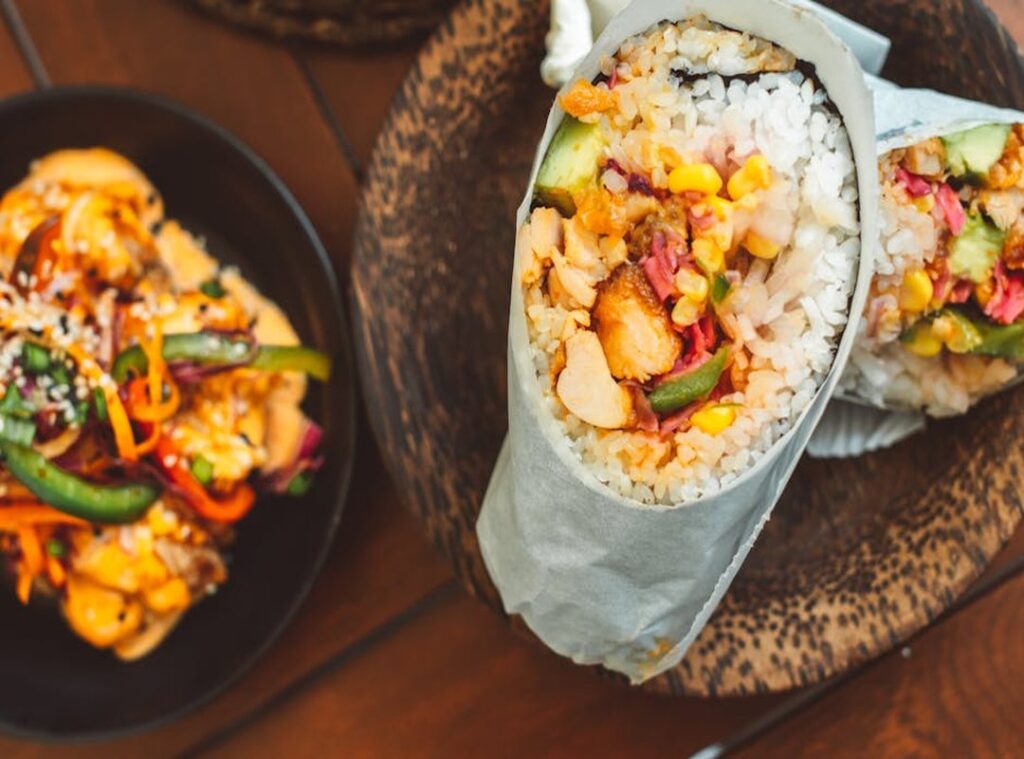
Some popular fusion dishes are more than the sum of their parts. Think of Korean BBQ tacos or sushi burritos. These dishes didn’t just happen by accident.
They came from chefs who understood the art of understanding cultural differences across global ….
Balancing flavors is another beast entirely. You might find that what works in one culture might overpower another. A dash of spice from Indian cuisine might need to be toned down when mixed with French sauces.
The trick is in the cross-cultural adaptations flavors bring to the table. It’s all about balance, trial, and error, and a bit of courage.
So, why not give fusion a try? It’s an adventure that lets you travel the world without ever leaving your kitchen. Cook it, taste it, tweak it.
Remember, your taste buds are your best guide!
Flavor Adventures: Tips for Tasty Experiments
Ever tried a new spice and thought, “What the heck am I supposed to do with this?” You’re not alone. Experimenting with flavors at home can feel intimidating, but it doesn’t have to be. Start by prepping your kitchen.
Keep a bold array of fresh ingredients on hand. It makes diving into new recipes less of a hassle.
Now, about those spices. Sourcing authentic ones is key. I always hit up local ethnic markets (they’re goldmines), but online shops work too.
Be picky. Quality spices make a world of difference, trust me.
Adjusting recipes is where the real fun begins. Don’t be afraid to tweak things. Hate cilantro?
Swap it for parsley. Love heat? Toss in extra chilies.
Your taste buds, your rules.
Invite family or friends over. Cooking together turns flavor experiments into shared adventures. Plus, more hands make the work lighter, and you’ll get loads of opinions.
Mixing cuisines is another exciting avenue. Curious about Fusion Techniques Blending Cuisines? It’s a great way to learn cross-cultural adaptations flavors.
Dive in and see what you create.
Pro tip: keep a notebook. Jot down what works (and what doesn’t). Before you know it, you’ll have your own little cookbook.
FAQs: Navigating Culturally Diverse Flavors
Ever tried blending flavors from different cultures? It’s not as simple as tossing ingredients together. You think you’re creating art, but you end up with a mess (or worse, a bland dish). Cross-cultural adaptations flavors can be tricky.
I’ve made mistakes, trust me. Once, I mixed Thai and Italian. Spoiler: the basil didn’t vibe with coconut milk.
What did I learn? Research is your best friend. Look up traditional pairings before experimenting.
And don’t be afraid to ask experts or locals. They know their stuff better than any recipe book.
Where do you start learning? Dive into cooking classes or online tutorials. They don’t just show you how to cook.
They teach you why flavors work together. It’s like understanding why Ross and Rachel kept breaking up (they just didn’t blend well).
Remember, it’s about balance. Too much fusion can overpower the dish. Keep experimenting, but learn from others’ mistakes too.
Dive Into New Tastes
Exploring cross-cultural adaptations flavors brings joy to your kitchen. It’s not just about food; it’s about connecting with cultures. So why not try a new recipe?
Let your taste buds travel. Embrace culinary diversity and transform your meals. Start experimenting today and raise your dining experience!