Many people crave culinary adventure but shy away from the challenge of creating unique dishes. I get it. It can feel intimidating to mix flavors from different cuisines and pull it off.
So, what are fusion techniques cuisines? They’re the thoughtful combinations of elements from various food traditions that create new, harmonious flavors. I’ve spent years exploring global cuisines and understanding what makes them work together.
Trust me, it’s not just about throwing things in a pot and hoping for the best.
This article aims to provide a clear, actionable roadmap for understanding and implementing blended culinary styles. You’ll learn to move beyond simple fusion and focus on intentional creation instead.
I want you to feel inspired and equipped to experiment with diverse ingredients and cooking methods. The process might seem complex, but I promise to demystify it for you.
By the end, you’ll gain practical knowledge and confidence, whether you’re a professional chef or a home cook. to the world of blended culinary styles together.
Blended Culinary Styles: A Deeper Dive
Blended culinary styles aren’t just your average fusion food. They’re an intentional integration of ingredients, techniques, and philosophies from distinct culinary traditions. You might think, isn’t that just fusion?
But it’s more than that. Blending respects and understands the source cuisines, aiming for harmony instead of just smashing flavors together.
Historically, cultures have always influenced each other’s food. Trade routes, migrations, and conquests have done wonders for our taste buds. Today, though, blending is more deliberate, more global.
We’re not just mixing for the sake of mixing; we’re crafting something new and exciting. It’s about enhancing creativity and expanding flavor profiles. Think of it as pushing culinary boundaries.
What do I mean by that? Picture Tex-Mex or California cuisine. They aren’t random.
They’re thoughtful combinations that cater to diverse palates. Or take Afro-Asian influences; they show how fusion techniques cuisines can be more than a culinary buzzword. They create dishes that are complex and satisfying.
Blending is an art. It’s about understanding and respecting each culinary tradition. And hey, isn’t that what makes food so fascinating?
It’s an endless journey of flavors, cultures, and creativity. Every dish tells a story (one) that’s worth exploring.
Why Blended Styles are Reshaping Modern Dining
Have you noticed how menus these days are riddled with exciting combinations? It’s not just a fluke. The rise of blended culinary styles in our kitchens and eateries is driven by a few key factors.
Thanks to globalization, we’re indulging in flavors from all over. Grocery aisles aren’t just about local produce anymore. They’re stacked with spices, sauces, and ingredients from around the world.
What’s more, people today demand authenticity and novelty. They yearn for dishes that celebrate a globalized palate. And chefs, along with us home cooks, are running wild with this.
Blended styles aren’t just culinary curiosities; they’re ways we express creativity. We mix techniques and ingredients to offer unique dining experiences every day. You see these cross cultural adaptations new flavors everywhere (from) fancy restaurants to meal kits delivered right to your doorstep.
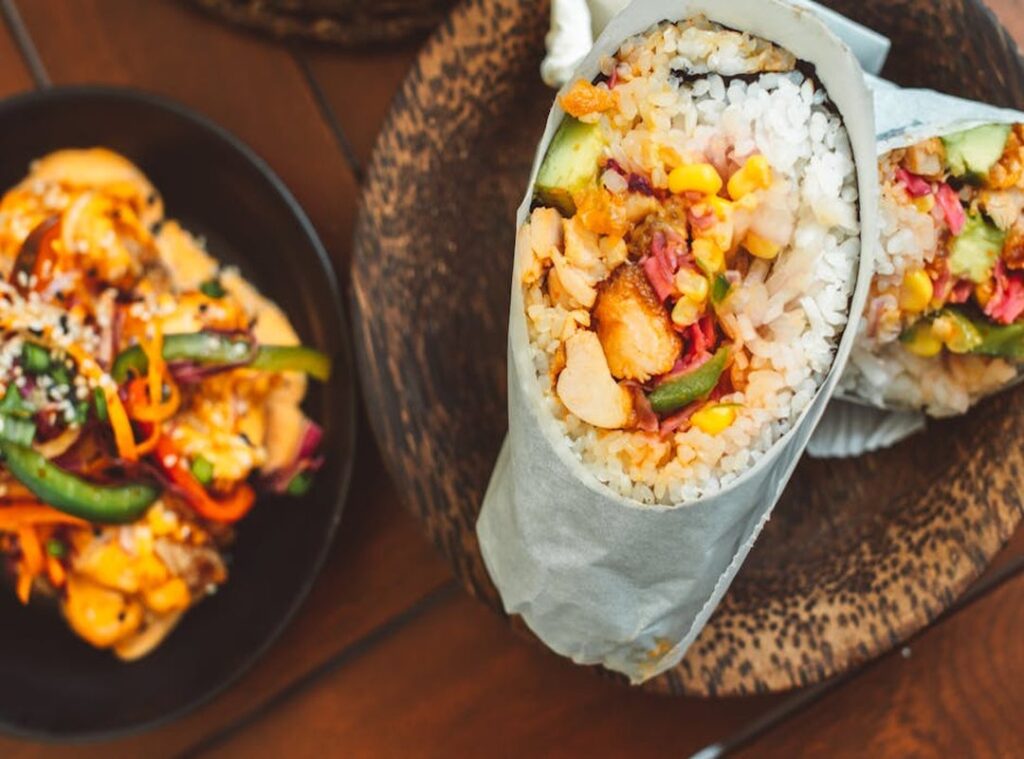
Take ramen burgers or Korean tacos as examples. These aren’t just buzzwords in food media. They’re trends that shout broad appeal.
Fusion techniques cuisines aren’t just a phase. They’re reshaping how we eat, cook, and even think about food. It’s an exhilarating time for anyone who loves their fork and knife.
Mastering the Art of Blending: Fusion Techniques
I’ve always believed that to blend cuisines successfully, you need to understand the essence of each one. You can’t just toss ingredients together and hope for magic. Does it work with flavor profiles?
Textures? Cooking methods? You need to ask yourself these questions before diving in.
Take fusion techniques. They’re all about balancing flavors (think) sweet and sour, or umami and acid. You want to marry textures too.
Imagine the crispness of a wok-fried dish meeting the tenderness of something sous vide. The magic happens when you also consider aromas. Ever tried infusing miso into a classic French sauce?
It’s a game-changer.
Pro tip: start small. Blend a single ingredient or technique, like adding a hint of ginger to a traditional Italian pasta. Don’t try to combine entire dishes at once.
That’s a recipe for disaster (pun intended).
Experimentation is your best friend. Taste as you go. Adjust.
Refine. Perfect your creations over time. For more on this, check out the ingredient combo fusion basics.
It’s a great way to deepen your understanding of blending techniques. The future of cooking is all about mixing and matching. Are you ready to explore new culinary horizons?
Flavor Harmony: Crafting Culinary Magic
Ever tried blending flavors and felt like something was off? Yeah, I’ve been there too. Getting that flavor harmony just right isn’t magic, but it can feel like it.
Let’s talk about the basics and how to make your cooking sing.
First up, ‘bridge ingredients’ like ginger and garlic. These ingredients bridge the gap between cuisines. They’re like the universal adapters of cooking.
Use them smartly, and you can experiment across cultures. Need more insight on how this works? Check out what is fusion cuisine? definition and examples.
The idea of ‘Tonda culinary basics’ lies in understanding the core flavor elements: salt, fat, acid, heat, and umami. These are your building blocks. They form the backbone of any dish, whether you’re blending Thai basil with Italian tomatoes or mixing Mexican chiles and Japanese miso.
Pro tip? Balance is key. You don’t want one flavor bulldozing the others.
Spices and herbs are your allies in creating unique flavors. But if you overload your dish, it turns into chaos. Always consider the dish’s story.
Does it taste like it’s telling you something worth hearing?
That’s the art of fusion techniques cuisines. It’s about blending without losing the narrative. Embrace that journey of discovery, because the magic truly happens.
Kitchen Wizardry: Fusion Prep Hacks
Blending cuisines at home can be a real adventure. But who wants to be stuck in the kitchen all day? You don’t need to be a professional chef to make it work. Smart ingredient sourcing is key.
You can find specialty items at local markets or online stores. Can’t find something? Get creative with substitutions.
For example, use tamari instead of soy sauce if you’re gluten-free.
Now, let’s talk mise en place. This isn’t just a fancy French term. It’s about having everything ready when you start cooking.
Use separate prep stations for different cuisines. This keeps your ingredients organized and cuts down on chaos. Trust me, it helps.
How about sauces? Batch-prep them. Make a big batch, freeze in portions, and you’ve got a go-to for various dishes.
Just don’t overdo it.
It saves tons of time. And let’s not forget about shortcuts. Pre-made pastes and spice blends can be lifesavers.
Managing cooking times and temperatures is another challenge. Start with longer-cooking ingredients first. Then, add quick-cooking ones later.
Fusion techniques cuisines can be tricky, but with these hacks, you’ll cook like a pro.
Open up Your Culinary Creativity
Feeling stuck in the kitchen? I get it. The principles and techniques I’ve shared can help you break free from that feeling of limitation.
Explore fusion techniques cuisines to discover new flavor combinations. Confidence grows with practice and experimentation. Don’t just read about it.
Take action. This week, challenge yourself to try one new blended concept. Start simple.
Pick an ingredient pairing you’ve never considered before. You’ll be surprised at what you can create. So, what are you waiting for?
Dive into your culinary adventure now. Your next masterpiece is just a dish away.