
I burned my first batch of Wantrigyo.
Not just a little charred. I mean blackened, tough, and totally inedible.
You’ve been there too. Staring at the pot. Wondering how long should I cook Wantryo.
That question keeps you up. Or worse (you) wing it and end up with rubbery or mushy results.
I’ve cooked Wantrigyo more times than I can count. In humid kitchens. With cheap stoves.
Using every kind of pot I owned. And I learned one thing fast: timing isn’t optional. It’s everything.
Too short? Chewy and raw-tasting. Too long?
Falling apart before it hits the plate.
This isn’t about fancy gear or secret techniques. It’s about knowing exactly when to pull it off the heat. The right moment changes everything.
You don’t need a degree. You don’t need ten different spices. You just need the right time (and) how to adjust it when things change.
How Long Should I Cook Wantrigyo depends on three things: size, cut, and your stove.
I’ll tell you what works (and) what doesn’t (based) on real stovetop time, not theory.
By the end, you’ll cook Wantrigyo without second-guessing. Tender. Flavorful.
Consistent. Every. Single.
Time.
What Wantrigyo Really Is (and Why Timing Isn’t Optional)
Wantrigyo is pork belly. Yes, that fatty, layered cut (but) it’s not just thrown on the grill.
It’s cured, sometimes smoked, and always cooked low and slow.
I first tried it at a stall in Osaka where the vendor wouldn’t let me taste until he’d checked the internal temp himself. (He was right.)
Wantrigyo isn’t raw meat you sear for two minutes. It’s dense. It fights back if you rush it.
How Long Should I Cook Wantrigyo? That question matters because undercooked Wantrigyo chews like jerky. Overcooked?
Dry. Rubbery. Sad.
Perfect Wantrigyo gives when you press it. Fat melts but holds shape. Edges crisp just enough.
You need time to render the fat. Not burn it. Not steam it. Render it.
Too fast and the muscle fibers lock up. Too long and all moisture leaves. No second chances.
I’ve ruined whole slabs by ignoring the clock. Or worse (by) trusting “done when it looks right.” It never looks right until it is.
Grill it. Braise it. Slice it thin for donburi.
But never skip the timer.
Your fork will thank you.
Your stomach will too.
How Long Should I Cook Wantrigyo? (Yeah, I’m Sick of Guessing
You pull it out of the fridge cold and stiff. You throw it on a screaming-hot pan. It sears on the outside and stays raw inside.
I’ve done that. More than once.
Thicker pieces take longer. Not slightly longer (a) lot longer. Thin slices?
They’re done before you finish chopping onions. (And yes, I’ve burned them trying to time it right.)
Room temperature meat cooks faster and more evenly. Cold meat fights back. It steams instead of searing.
You know this. You’ve felt that soggy resistance.
Grilling? Fast and fierce. Pan-frying?
Reliable but depends on your pan’s heat retention. Oven roasting? Slow and steady.
Boiling or braising? Tender, but it’s a whole different timeline.
You want it crisp? That’s minutes. You want it fall-apart tender?
That’s hours. There’s no universal answer. And that’s frustrating.
A cheap pan heats unevenly. A warped grill grate lets fat drip and flare. Good gear doesn’t fix bad timing (but) it stops sabotaging you.
How Long Should I Cook Wantrigyo?
It depends on what you actually want. Not what the recipe says.
You’re not bad at cooking. The variables are just stacked against you. And nobody tells you that upfront.
How Long Should I Cook Wantrigyo
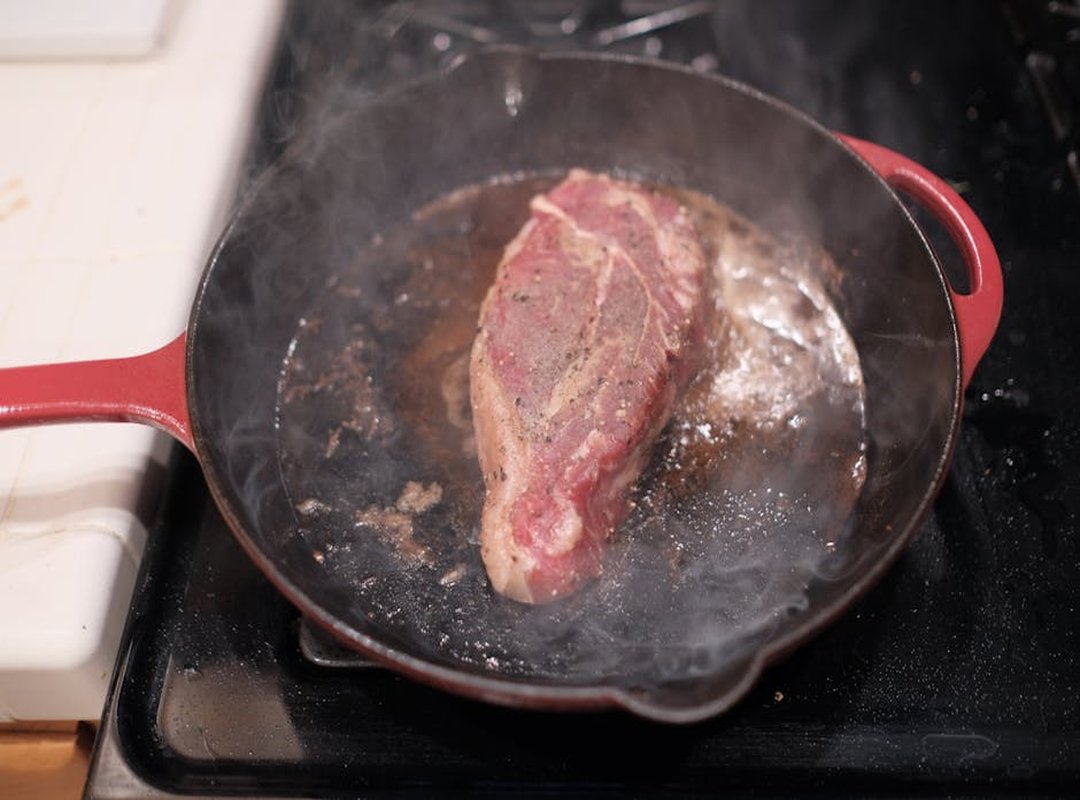
Pan-fry it for 5 to 8 minutes per side. That’s if it’s medium thickness. You want golden brown edges and no pink inside.
Grill it for 4 to 7 minutes per side. Medium heat only. Look for dark char marks and firmness when pressed (not) squishy.
Roast it in the oven at 375°F for 20 to 30 minutes. Thicker cuts take longer. I usually sear it fast in a pan after roasting.
Gives you crisp skin without drying it out.
Braising or boiling? That’s different. It’s not about “cooking through.”
It’s about breaking down tough fibers.
So plan for 60 to 90 minutes. Sometimes more. You’ll know it’s done when a fork slides in like butter.
You’re probably wondering what to serve with wantrigyo right now.
Check out What to serve with wantrigyo for real pairings that work.
Timing isn’t magic. It’s heat + thickness + your stove. Start checking early.
Wantrigyo dries out fast if you wait too long.
I’ve burned it twice. Once because I trusted the clock. Once because I didn’t poke it.
Use your eyes. Use your fingers. Forget the timer after the first 3 minutes.
You feel that slight spring when you press it? That’s done. Too soft?
Keep going. Too hard? You waited too long.
Wantrigyo Isn’t Guesswork
I used to poke it. Squeeze it. Stare at it like it owed me money.
Golden brown crust? Good. Pink in the center?
That’s not “rare.” That’s raw. Wantrigyo isn’t steak. It doesn’t play nice with blood pooling under your fork.
You press it with your finger. Firm. But not rock hard.
A little give, like pressing the base of your thumb. Too soft? Still cooking.
Too stiff? You waited too long.
But here’s the thing nobody wants to hear: your eyes and fingers lie. Every time.
A meat thermometer doesn’t care about your instincts. It reads what’s inside. For most cuts, 145°F is safe. 160°F if you want zero wiggle room.
Anything below 145°F? You’re rolling dice.
Resting isn’t optional. It’s physics. Five minutes.
Ten, if you can wait. Cut too soon and juice hits the plate instead of your mouth.
How Long Should I Cook Wantrigyo? That question has no answer without context (cut,) heat source, starting temp. Which is why I skip the guessing game entirely.
I use an air fryer now. Faster. More consistent.
Less smoke alarm drama. How to Cook Wantrigyo in Air Fryer
Stop Guessing. Start Cooking.
I used to stare at Wantrigyo like it was a riddle. How long should I cook Wantrigyo? That question burned every time.
You know the panic. The timer goes off. You poke it.
It’s rubbery. Or mushy. Or raw in the middle.
That uncertainty is exhausting.
It doesn’t have to be that way. Thickness matters. Your cooking method changes everything.
And yes. Your eyes, your fingers, and a cheap thermometer tell the real story.
No magic. No guesswork. Just paying attention.
You already know how to check for doneness. You just forgot you trusted yourself.
Try one variable this time. Just thickness. Or just method.
See what shifts. Then try two. Then all three.
You’ll feel it before the clock does. You’ll hear it sizzle right. You’ll see the color settle just so.
That confidence isn’t earned with perfect recipes. It’s built by doing it. Once, twice, ten times.
And noticing what happens.
So grab your pan. Pull out that thermometer. Cook Wantrigyo today.
Not perfectly yet. But surely.
How Long Should I Cook Wantrigyo?
You’ll know. Because you’re finally listening.
Go cook.