I’ve burned Yumkugu three times. Twice from rushing. Once from overthinking it.
You think it’s complicated. I did too. That’s why you’re here (to) Cook Yumkugu at Home without second-guessing every step.
It’s not about fancy knives or chef training. It’s about heat control. Timing.
Knowing when to stir and when to walk away.
Some recipes act like it’s a secret ritual. It’s not. It’s rice, beans, onions, and patience (nothing) more.
You don’t need a kitchen full of gadgets. Just a pot. A spoon.
And ten minutes of focus.
Ever taste something so good you forget to chew?
That’s what happens when you get it right.
This guide walks you through each move. No jargon, no fluff, no “just trust me.”
If your stove works, you can do this.
You’ll learn how to soften the beans without mush, toast the onions just enough, and layer flavors so it tastes like the version you remember from that tiny restaurant downtown.
No substitutions unless you want them. No vague instructions like “cook until done.”
Just real steps. Real results.
By the end, you’ll have a bowl of Yumkugu that smells like home. Even if you’ve never made it before.
What Yumkugu Really Is
Yumkugu is a thick, savory stew with dumplings (no) fancy labels, just food that sticks to your ribs.
I first tried it in a cramped kitchen in Oyo State, where someone’s grandma stirred the pot for three hours straight.
It’s not some vague “fusion” thing. It’s Nigerian. Specifically, it’s from the Yoruba people.
And it’s comfort food, plain and simple.
The dumplings are soft but hold their shape. The sauce is rich, dark, and deeply spiced (not) spicy-hot, just full of flavor. Meat?
Usually goat or chicken, slow-cooked until it falls apart.
You don’t need a special occasion to eat it. Rainy day? Yes.
Tired after work? Yes. Just craving something real?
Yes.
That’s why so many people want to Cook Yumkugu at Home.
It fills you up. It tastes like memory. It doesn’t pretend to be anything else.
Some recipes skip the palm oil. Don’t. That’s the backbone.
Others boil the dumplings separately. Wrong. They soak up the sauce while cooking.
You’ll know it’s done when the steam smells like home. Not fancy. Not trendy.
Just honest.
What’s in Your Yumkugu Bowl
I grab chicken thighs first. Not breasts. Thighs stay juicy when simmered long.
You want 1 lb, boneless and skinless.
For the sauce: 2 cups vegetable broth (chicken broth works if you’re not strict), 3 tbsp soy sauce, 1 tbsp rice vinegar, 1 tsp sugar. That’s it. No fancy fish sauce unless you like funk.
Dumplings need 1 cup all-purpose flour, ½ tsp salt, ⅓ cup water. Mix, knead, rest 10 minutes. Roll thin.
Cut squares. You’ll feel the dough (sticky) but manageable.
Spices: 2 cloves garlic (minced), 1-inch ginger (grated), 1 green onion (chopped). Fresh is non-negotiable here. Dried garlic powder?
Nope. It’s not the same. (Trust me (I) tried.)
You can swap chicken for ground pork or firm tofu. Broth swaps are fine. Flour?
Stick with all-purpose. Whole wheat fights back.
You don’t need a special pan. A deep skillet works. A pot works better.
This isn’t fussy food. It’s real. It’s fast.
It feeds people.
Want to Cook Yumkugu at Home without second-guessing every step? Start here.
No “chef-level” skills required. Just heat, stir, and fold.
You’ll mess up the first dumpling. So did I. (It still tasted good.)
The broth simmers while you roll. Multitasking is built in.
Fresh herbs go on top after cooking. Cilantro or scallions. No debate.
Salt at the end. Taste. Adjust.
Done.
How to Actually Cook Yumkugu at Home
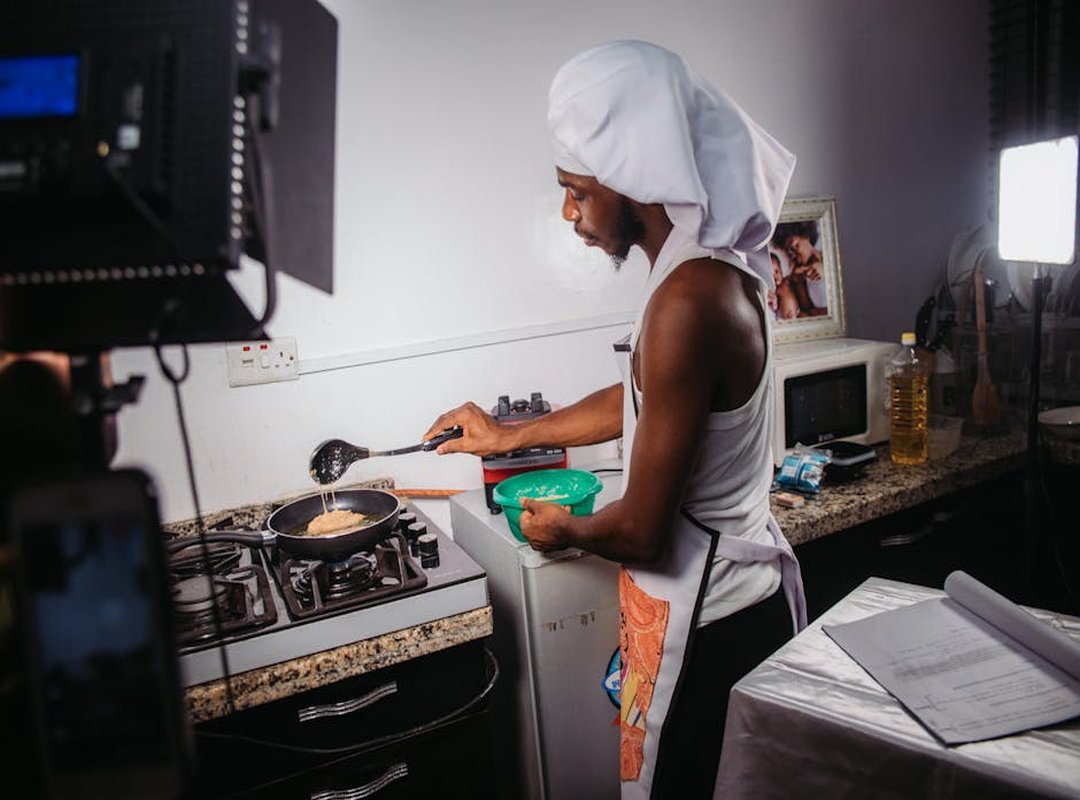
Step 1: Brown the chicken in oil until golden on all sides. Don’t crowd the pan. I do this in two batches.
(Yes, it’s annoying. Yes, it matters.)
Step 2: Push chicken to the side. Add onions, garlic, and ginger. Stir 60 seconds until fragrant (not) burnt.
Then pour in tomato paste and stir for another 30 seconds. It deepens everything.
Step 3: Add broth, coconut milk, and fish sauce. Scrape the brown bits off the bottom. That’s flavor.
Not optional.
Step 4: Simmer the sauce for 15 minutes before adding dumplings. You want it thick enough to coat the back of a spoon. But still pourable.
Too thin? Simmer longer. Too thick?
Splash in water.
Step 5: Mix dumpling dough with cassava flour, water, and salt. Knead just until smooth (no) more. Overmixing makes them rubbery.
Roll into small balls. Drop them gently into the simmering sauce. Don’t stir hard.
Let them poach.
Step 6: Cover and cook 20 minutes. Dumplings should float and feel firm but springy when poked. If they sink and stay down?
Cook 5 more minutes. If sauce bubbles too hard, lower the heat. Burnt sauce ruins everything.
You’ll know it’s done when the chicken shreds easily and the dumplings hold shape without falling apart.
I skip store-bought dumpling wrappers every time. They’re bland and chewy. Cassava flour gives that real bite.
Can I Make Yumkugu? Yes. But only if you treat the sauce like it matters.
(Spoiler: it does.)
Don’t rush the browning. Don’t skip the tomato paste fry-off. Don’t overwork the dough.
These aren’t suggestions. They’re the difference between okay and oh wow.
Cook Yumkugu at Home means doing the small things right. Not faster. Not easier.
Right.
Sauce too salty? Add a splash of lime juice. Not sugar.
Dumplings breaking? Your dough was too wet. Next time, use less water.
I’ve burned the sauce twice. Learned fast. You will too.
Yumkugu Tips That Actually Work
I use fresh onions. Not the sad ones hiding in the back of your drawer. You know the ones.
Salt early. Stir often. Don’t walk away.
It sticks. Every. Single.
Time.
Want more heat? Add chili. Not later.
Now, while it’s cooking. Too sour? A squeeze of lemon fixes it.
Not lime. Lemon. (Trust me.)
Leftovers go in a tight-lid container. Fridge only. Three days max.
After that, it tastes like regret.
Reheat slow. Stovetop. Low flame.
Splash in broth if it looks dry. Water works too. But broth tastes better.
I serve it with torn bread. Not sliced. Torn.
Crusty. Slightly stale. So it soaks up everything.
Herbs go on after plating. Not before. Cilantro or scallions.
Nothing fancy. Just green and sharp.
You ever skip the garnish and wonder why it feels flat? Yeah. That’s why.
Cook Yumkugu at Home means tasting as you go. Not guessing. No magic.
Just attention.
Worried about shelf life or texture? Check out Yumkugu Food Additives.
Your Yumkugu Is Ready
I know you thought it was too hard. Too messy. Too unfamiliar.
It’s not.
You’ve got the steps. You’ve got the timing. You’ve got the confidence now (even) if it doesn’t feel like it yet.
Cook Yumkugu at Home is simpler than you believed.
So go ahead. Turn on the stove. Crack the eggs.
Stir with your hands if you want to.
That first bite? It’ll surprise you.
Did it taste like memory? Or like something new you made yours?
Post a photo. Try ginger instead of scallions. Burn it a little (then) laugh about it.
Don’t wait for “someday.”
Make it tonight.
Eat it hot.
Tell me how it went.