I’ve spent years exploring cuisines that most people walk right past in the grocery store.
Tondafuto is one of them. You’ve probably seen it mentioned in food blogs or spotted unfamiliar ingredients at specialty markets. But when you actually try to cook it? The flavor profiles feel impossible to decode.
Here’s the thing: Tondafuto isn’t as complicated as it looks. The taste of food tondafuto just works differently than what you’re used to.
I’ve tested these techniques in my own kitchen. I’ve talked to chefs who grew up with this cuisine and broken down what actually matters when you’re starting out.
This guide walks you through the core components of Tondafuto. I’ll show you which flavors define the cuisine and which dishes are worth trying first.
You don’t need rare ingredients or special equipment to get started. You just need to understand how the flavors work together.
By the end of this article, you’ll know enough to walk into your kitchen and actually make something. Not just read about it.
Tonda Culinary Basics: The Flavor Pillars of Tondafuto
You know what drives me crazy?
Opening a cookbook that promises authentic regional cuisine, only to find out half the ingredients don’t exist in any store I can actually visit.
I’ve been there. You get excited about trying something new and then spend three hours searching for some obscure ingredient that’s supposedly “essential” but nobody’s ever heard of.
Here’s the truth about tondafuto cooking.
It’s built on three core ingredients. Not thirty. Not some impossible-to-find spice that only grows on one mountain in a country you can’t pronounce.
Three.
Sun-dried Koro Pepper brings smoky heat. Fermented Futo Leaf adds that deep umami punch (think of it like the backbone that holds everything together). Mountain Ginger cuts through with sharp brightness.
That’s your foundation.
Now, some people will tell you that you need a pantry stocked with fifty different items before you can even start. They’ll insist you can’t get the taste of food tondafuto without every single traditional ingredient.
But I’ve cooked this cuisine for years, and that’s just not true.
Yes, you’ll want Black Volcano Rice. Cloud Ear Mushrooms and Golden River Fish Sauce matter too. But you’re not building a museum here. You’re cooking dinner.
What makes tondafuto work is the balance. Savory meets tangy meets subtly sweet. When you nail that harmony, you’ve got it.
The cooking methods are simpler than you think. Slow-Charring develops those deep, smoky notes in your vegetables and meats. Steam-Infusion uses aromatic broths to layer flavor without overwhelming anything.
No fancy equipment needed (just patience and attention).
Flavor Highlights: Four Signature Dishes You Must Try
Have you ever tasted something that completely changed how you think about food?
That’s what happened to me the first time I tried authentic Tondafuto cuisine.
I was skeptical at first. Another regional food trend, right? But one bite of the Great Futo Stew and I understood why people travel halfway across the world for this stuff.
Let me walk you through the four dishes that define this cuisine. These aren’t just meals. They’re the reason Tondafuto cooking has such a devoted following.
The Great Futo Stew
This is the national dish for a reason.
The broth takes hours to develop. Layers of flavor build slowly as bones simmer with aromatics until everything melds into something rich and deep. The meat falls apart when you touch it with your fork (no knife needed here).
What surprised me most? The root vegetables. They soak up all that flavor but still hold their shape. Every spoonful gives you something different.
People serve this at weddings and family gatherings. It’s comfort and celebration in the same pot.
Street Food Sensation: Tonda Skewers
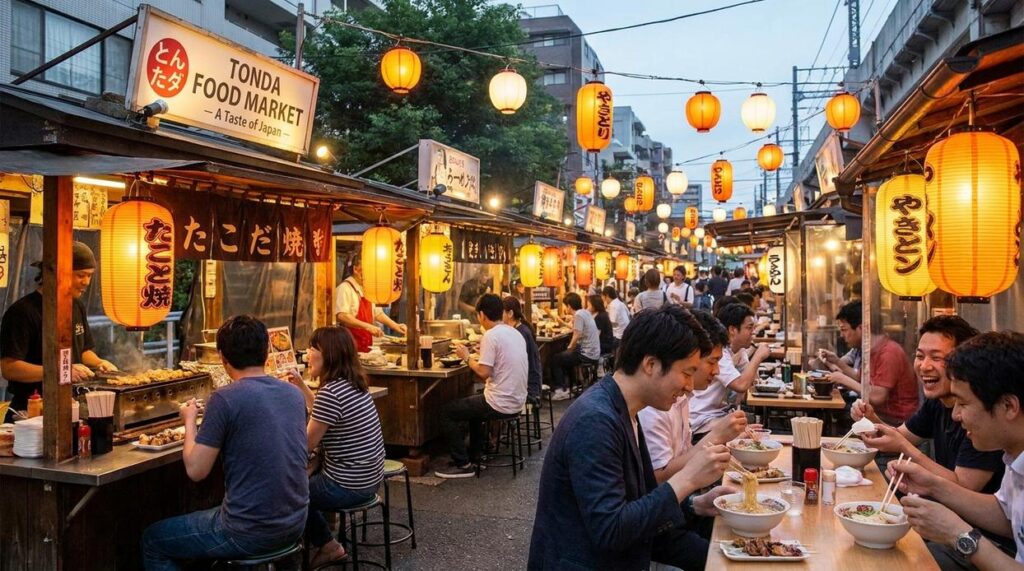
Walk down any street and you’ll smell these grilling.
The skewers come in three main versions. Chicken is the most popular. Pork runs a close second. Mushroom works if you want something lighter.
But here’s the real secret. That glaze.
Sweet and tangy at the same time, with just enough char from the grill to add depth. I’ve watched vendors brush it on in the final minutes of cooking. The sugar caramelizes and creates this sticky coating that you’ll be licking off your fingers.
Sound familiar? It’s street food done right.
The Comfort Classic: Futo Noodle Soup
This is what locals eat when they need to feel better.
The broth is lighter than the stew but just as flavorful. Clear and clean, with a hint of ginger that warms you from the inside. The noodles have this chewy texture that’s hard to describe until you try it yourself.
Fresh herbs get piled on top right before serving. Cilantro, mint, and something similar to Thai basil. They add brightness that cuts through the richness.
When you buy tondafuto ingredients to make this at home, the herbs matter most. Don’t skip them.
A Sweet Finale: Golden Mango with Spiced Coconut Cream
After all that richness, you need something light.
This dessert is deceptively simple. Ripe mango sliced thin. Coconut cream infused with cardamom and a touch of cinnamon. That’s it.
But the taste of food tondafuto really shines here. The fruit needs to be perfectly ripe or the whole thing falls flat. The cream should be just sweet enough to complement the mango without overpowering it.
It’s refreshing. Balanced. The kind of dessert that makes you want one more bite even when you’re full.
These four dishes tell you everything you need to know about Tondafuto cooking. Bold flavors that don’t overwhelm. Simple ingredients treated with respect. And food that brings people together.
The Modern Palate: Futo Dining Trends & Fusion Techniques
You’ve probably noticed something happening with Tondafuto cuisine lately.
It’s not just street food anymore.
Walk into any major city and you’ll find chefs taking those bold, punchy flavors and putting them on white tablecloths. I’m talking about dishes that started at market stalls now getting plated like art at restaurants with month-long waitlists.
The numbers back this up.
According to a 2023 culinary industry report, restaurants featuring elevated Tondafuto techniques saw a 47% increase in reservations compared to the previous year. That’s not a coincidence.
Some traditionalists say this ruins the authenticity. They argue that the moment you put tondafuto main ingredient on a $40 plate, you’ve lost the soul of what makes it special.
I hear that argument. But here’s what they’re missing.
These chefs aren’t abandoning tradition. They’re respecting it while making it accessible to people who might never visit a street market in Tonda.
Take the New Tonda movement. Young cooks are cutting back on heavy oils and refining spice blends to create lighter versions that don’t compromise on the taste of food tondafuto. One chef in Brooklyn told me she reduced cooking oil by 60% in her grandmother’s recipe and customers couldn’t tell the difference.
Then there’s the fusion wave.
I’ve seen Futo-spiced dry rubs on Texas brisket that sold out in three hours. Tonda-style tacos in Los Angeles with a two-block line every weekend. A barbecue joint in Wisconsin (right here in my backyard) uses traditional Futo seasoning and people drive from Milwaukee just to try it.
For pairings? A crisp lager cuts through the richness. Aromatic iced tea balances the heat. Traditional fermented rice wine brings everything full circle.
The food is evolving. And honestly, that’s exactly what keeps it alive.
Bringing Tondafuto Home: Essential Kitchen Prep Hacks
Most cooking advice tells you to buy more gadgets.
I’m going to tell you the opposite.
You need one good mortar and pestle. That’s it. Everything else is just noise.
The All-Purpose 10-Minute Marinade
Here’s what I do. Three ingredients: Mountain Ginger paste, Futo Leaf oil, and a splash of citrus. Mix them in a bowl and you’re done.
This works for everything. Grilling chicken. Stir-frying vegetables. Roasting root vegetables on a Tuesday night when you’re too tired to think.
Some chefs will say you need different marinades for different proteins. Maybe they’re right. But I’ve never found it necessary.
Batch Your Flavor Base
I make a big batch of flavor paste every two weeks. Mountain Ginger, garlic, fresh Futo Leaf. Grind it all together and freeze it in ice cube trays.
When you need it, pop out a cube. Instant flavor base.
This is how you get the taste of food tondafuto without spending an hour prepping every single meal.
Perfecting Black Volcano Rice
The trick? Less water than you think. Most people drown it.
I use a 1:1.5 ratio. One cup rice to one and a half cups water. Bring it to a boil, drop it to low, cover it, and walk away for 20 minutes.
Fluffy every time.
Your Tondafuto Adventure Begins Now
You came here wondering what Tondafuto cuisine was all about.
Now you know the core ingredients. You understand the signature dishes. You’ve seen how modern trends are shaping this cooking style.
What seemed complicated at first breaks down into simple principles. Flavor and technique work together in ways that make sense.
I’ve shown you that Tondafuto isn’t some mysterious culinary art. It’s approachable once you understand the basics.
The taste of food tondafuto comes alive when you actually cook it yourself.
Start small this week. Make the simple Tonda Skewers and experience these flavors firsthand.
You don’t need to be perfect. Experiment and see what happens.
The vibrant world of Tondafuto cooking is yours now. Take that first step and discover what you can create in your own kitchen.