
The ocean’s soul is a mesmerizing, almost alien beauty. Marine life presents a unique challenge for artists. lukisan hidupan laut hitam putih can seem daunting. But it doesn’t have to be.
This article aims to demystify the process. We’ll make it accessible even for beginners. Capturing complex textures like scales or coral without color?
It can feel overwhelming.
But don’t worry. I promise a clear, step-by-step guide. We’ll focus on the core principles of form, light, and texture.
These elements bring underwater scenes to life in a way that’s both powerful and beautiful.
Monochrome art isn’t a limitation. It’s a powerful tool. It highlights the raw beauty of the ocean’s inhabitants.
Trust me, you’ll see the difference.
Why Monochrome Makes Marine Art More Powerful
When you strip away color, something magical happens. The artist and viewer are forced to focus on the fundamental shapes and silhouettes of sea creatures. It’s all about form and structure.
Black and white is the perfect medium for emphasizing texture. Think about it: the rough skin of a shark or the intricate patterns of a seashell stand out more without the distraction of color. Texture becomes the star.
High contrast, or chiaroscuro, adds drama. It mimics the way light pierces through deep, dark water. This technique can make the sleek form of a manta ray or the delicate tentacles of a jellyfish even more striking.
Shape and shadow define these creatures.
- Lukisan hidupan laut hitam putih captures this essence beautifully.
- The timeless, classic appeal of black and white artwork gives any subject a sense of elegance and gravity.
So, what’s next? You might be wondering how to start appreciating or creating monochrome marine art. Look for artists who use high contrast and strong textures.
Or, if you’re an artist, experiment with black and white to see how it transforms your work.
Gathering Your Essential Toolkit for Underwater Art
When it comes to drawing, having the right tools can make all the difference. Let’s start with the pencils.
An HB pencil is perfect for initial sketches. It’s not too hard, not too soft—just right for getting your ideas down on paper. For mid-tones, a 2B pencil is your go-to.
It adds depth without being too heavy.
For those deep shadows, you’ll want a 4B or 6B. These pencils are darker and can really bring out the contrast in your drawings. They’re great for adding that extra bit of drama.
Now, let’s talk about paper. A smooth Bristol board is ideal if you like crisp lines. It’s smooth and gives your drawings a clean, professional look.
If you prefer a bit more texture, a slightly textured drawing paper can help with better graphite adhesion. This is especially useful for lukisan hidupan laut hitam putih where the texture can add to the overall feel.
Blending tools are key for creating those smooth gradients and soft, watery effects. Tortillons, also known as blending stumps, are fantastic. They help you blend your pencil strokes seamlessly.
Cotton swabs work well too, especially for smaller, more detailed areas. read more
Don’t forget the kneaded eraser. It’s not just for erasing mistakes; it can lift graphite to create subtle highlights. This is super handy when you need to add a touch of light to your underwater scenes.
If you want to add some variety, consider using a white gel pen for sharp highlights. It can really make certain elements pop. Fine-liner ink pens are also great for defined outlines, giving your artwork a polished finish.
With these tools, you’ll be well-equipped to create stunning underwater art. Happy drawing!
A Step-by-Step Guide to Drawing a Majestic Sea Turtle
Drawing a sea turtle can feel like a big project, but think of it as building a puzzle. Each piece is a simple shape that comes together to create something beautiful.
Start with basic shapes. Lightly sketch a large oval for the shell and a smaller circle for the head. This helps establish the proportions, just like laying the foundation for a house.
Refine the outline. Connect the shapes, adding the distinct forms of the flippers and the curve of the turtle’s beak. Imagine you’re sculpting a figure out of clay, smoothing out the rough edges.
Detail the shell. Break down how to draw the hexagonal patterns (scutes) on the shell. Make the lines lighter and thinner as they recede, like the tiles on a roof fading into the distance.
Build shadows for depth. Add shading under the shell, on the side of the head away from the light, and on the flippers. Think of it as adding layers to a cake, each one making the whole thing more three-dimensional.
Add final textures. Fine, wrinkled lines on the turtle’s neck and skin bring it to life. Use a kneaded eraser to pull out highlights on the top of the shell, like the sun glinting off the ocean waves.
Creating a lukisan hidupan laut hitam putih can be a meditative process. Each line and shadow adds to the story, making your drawing come alive.
Techniques to Master Light, Shadow, and Texture
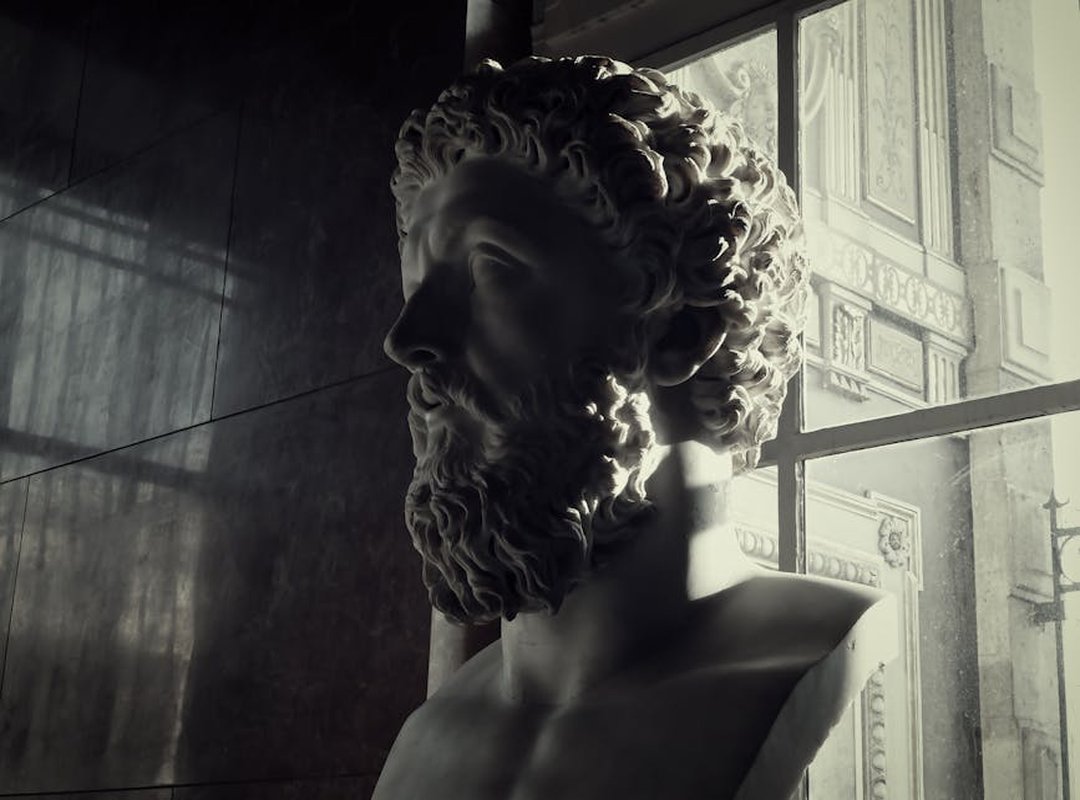
When it comes to drawing, mastering light, shadow, and texture can make or break your artwork. Let’s dive into some essential techniques.
Hatching and cross-hatching are all about using parallel and intersecting lines to build value and suggest the texture of fish scales. It’s a simple yet powerful way to add depth and detail.
Stippling, on the other hand, uses tiny dots to create tone. This technique is perfect for rendering the sandy seafloor or the delicate texture of a seahorse. It might seem tedious, but the results are worth it.
Establishing a single light source is crucial. This decision dictates where all highlights and shadows will fall, making the drawing look cohesive and realistic. Some might argue that multiple light sources add complexity, but in my experience, they often confuse the viewer and dilute the impact.
Negative space is another key concept. By drawing the dark water around a creature, you can make it pop. It’s like defining a subject by what’s not there.
Some artists might find this approach limiting, but I think it adds a unique and striking effect.
Using these techniques, you can create a stunning lukisan hidupan laut hitam putih. It’s all about balance and knowing when to use each method.
Start Your Underwater Art Adventure Today
lukisan hidupan laut hitam putih is all about mastering shape and shadow, not complex color theory. You now have a foundational toolkit of techniques, from basic sketching to advanced shading. Embrace the process and don’t worry about perfection on your first try.
Every artist starts with a single line. Pick your favorite sea creature, grab a pencil, and use the sea turtle guide as your starting point this week.