
You’re in the middle of a recipe and suddenly realize you’re missing a key ingredient. Frustrating, right? I’ve been there too, staring at my mixing bowl, feeling the disappointment wash over me.
Missing ingredients can completely derail your cooking plans. They lead to last-minute store runs or, worse, forcing you to abandon the recipe altogether.
I get it. But what if I told you that you don’t always need to have every single ingredient on hand? This guide is about making simple, effective ingredient swaps alternatives that can turn potential kitchen disasters into creative triumphs.
I’ve learned the art of substitutions over the years. Each time I’ve had to improvise, I’ve discovered new flavors and techniques that brought excitement back into my cooking. It’s all about flexibility and finding joy in the kitchen.
Trust me, following this guide will make your cooking life easier. You’ll gain confidence and a new perspective. Let’s explore how to open up your kitchen’s potential together.
Smart Substitutions: Your Kitchen Superpower
Knowing ingredient swaps alternatives is more than a convenience. It’s your secret weapon for culinary creativity. Why stick to the recipe when you can make it your own?
Swapping ingredients isn’t just about skipping a store run. It’s about making a dish personal, adding a twist that reflects your taste. Ever tried using applesauce instead of eggs in a vegan cake?
It’s a game-changer.
And let’s talk about dietary needs. With so many allergies and preferences, knowing your swaps can be a lifesaver. Literally.
Going gluten-free, vegan, or dairy-free becomes a breeze when you know what to use instead. It’s like having a culinary toolbox, ready for any challenge.
But there’s more. Think about cost savings. Using what you have means less food waste and more money in your pocket.
Who doesn’t love that? It’s a mindset shift, really. Substitutions build confidence.
They make you adaptable, ready to tackle any dish with whatever’s on hand.
So next time you’re cooking, embrace change. It’s like Seasonal Adaptations Embrace Change. Cooking isn’t just about following instructions.
It’s about making it work for you, with what you have.
Dairy & Egg-cellent Swaps: Smooth Sailing in the Kitchen
Dairy and eggs can be tricky. You think you’ve got everything until you realize you’re out. But don’t worry.
Ingredient swaps alternatives are here to save the day.
Milk is easy. You can use almond, soy, or oat milk. Just pick unsweetened if you’re not making dessert. Buttermilk, though? Mix regular milk with lemon juice or vinegar. It’s magic. Or use yogurt or sour cream if you’re in a pinch. They work surprisingly well.
When it comes to yogurt and sour cream, Greek yogurt is your friend. It’s thick, tangy, and pretty versatile. Plain yogurt works too.
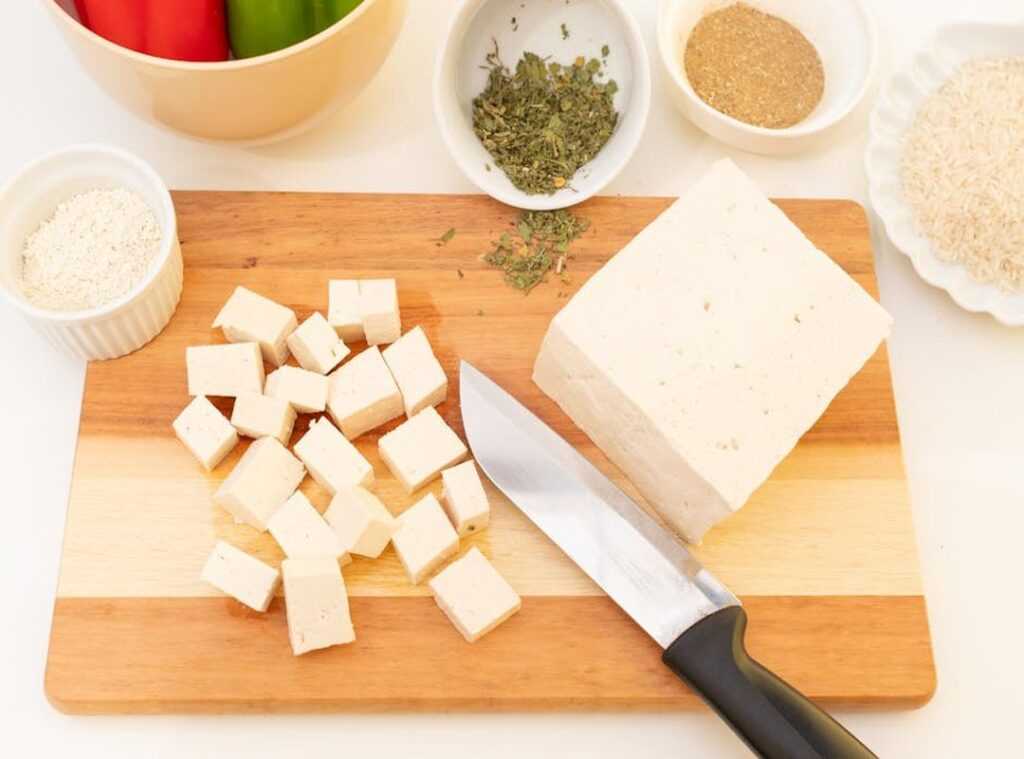
If you’re feeling adventurous, try silken tofu. It’s a bit different, but it gets the job done.
Eggs are a whole other story. They do a lot in recipes, from binding to leavening. So, use flax eggs (mix flaxseed meal with water) if you need a binder.
Mashed banana or applesauce can add moisture. For a lift, commercial egg replacers work wonders.
Want more ideas? Check out these 19 genius ingredient swaps all home cooks should know. You’ll never be caught off guard again.
Trust me.
Flour Power: Flour Swaps Made Easy
Baking is like chemistry with fewer explosions. The trickiest part? Flour swaps.
I’ve messed up a few cakes in my time, and trust me, a bad ingredient swap can turn your kitchen dreams into a crumble.
Substituting all-purpose flour? Try whole wheat for a hearty loaf. Watch the texture though.
It gets dense. Bread flour adds chewiness. That’s great for rustic bread.
Pastry flour? Tenderness galore. Perfect for flaky pastries.
But don’t just dump it in. Each has its role. Know it, use it wisely, or pay the price of pancake-like cookies.
Self-rising flour is a beast of its own. Don’t have it? Mix all-purpose flour with baking powder and salt.
Done. But measure carefully. Baking’s funny that way (exactness) matters.
Almond flour’s rich, great in dense cakes. Rice flour gives structure but can be gritty. Use these wisely, experimenting to find what works.
What about gluten-free options? Almond, oat, coconut, and rice flour (each) has its quirks. Coconut flour sucks up liquid like it’s in a desert.
And gluten-free blends? Those commercial blends are lifesavers. A balance of everything.
Baking with these adaptation ideas raise classics naturally. So next time, swap smart. Got it?
Happy baking!
Sweet & Savory: Sugar, Herb, and Spice Solutions
Ever been knee-deep in a recipe only to realize you’re out of granulated sugar? Happens to me all the time. But don’t panic.

There are ingredient swaps alternatives that can save the day. Honey, maple syrup, or agave can be great substitutes. Keep in mind, they add moisture and a twist in flavor.
For every cup of sugar, try ¾ cup of honey. Not feeling the honey vibe? Brown sugar works too, bringing that rich molasses flavor.
Speaking of brown sugar, making it at home is a breeze. Got some granulated sugar and molasses? Mix them and voilà!
Instant brown sugar. But what if you want to cut down on the sweetness? Consider using other dark sweeteners.
Fresh herbs are fantastic but dried ones have their charm. Need a conversion? It’s simple: use one teaspoon of dried herbs for every tablespoon of fresh.
Molasses, for example, adds depth without going overboard on the sweet front.
The trick is knowing when to add them. Dried herbs need more time to release flavor, so throw them in early.
Missing a spice can feel catastrophic. No cumin? Swap it with coriander.
Or if you’re short on chili powder, paprika can do the trick. Keep experimenting until you find blends that suit your taste. Cooking is all about flexibility, after all!
Beyond the Basics: Fats, Leavening, and Thickening Agent Tricks
Swapping ingredients can feel like a gamble, but it doesn’t have to be. Let’s start with fats. Butter and oils aren’t interchangeable willy-nilly.
Margarine and shortening work better in baking because they mimic butter’s fat content. In sautéing, olive oil or vegetable oil can often step in, but texture’s key, so choose wisely.
Baking powder and baking soda look similar, but they play different roles in baking. Baking soda needs an acid to react, like vinegar or lemon juice. So if you’re out of baking powder, try using a bit of both baking soda and an acidic ingredient.
Don’t just wing it; the wrong mix can ruin your cake.
Thickening agents like cornstarch and flour seem straightforward, right? Not quite. Flour’s flavor can overwhelm, so if you swap it for cornstarch, use less.
And if you’re feeling fancy, arrowroot powder is a great alternative. It thickens without altering taste.
Speaking of acids, vinegar and lemon juice can often swap places. They both add that tang and help with leavening. So if you’re missing one, try the other.
These ingredient swaps alternatives keep cooking flexible and fun. That’s how we roll in Wausau, Wisconsin.
Your Kitchen, Your Rules
You’re ready to tackle any ingredient dilemma head-on. No more stressing over missing ingredients or throwing away recipes.
With these ingredient swaps alternatives, you’ll become a flexible and creative cook. Turning potential problems into opportunities is what it’s all about.
Now, it’s time to dive in. Start experimenting with substitutions. Trust your instincts and don’t hesitate to share your kitchen hacks with friends and family.
Your next delicious meal is just a clever swap away. Let’s get cooking! The kitchen awaits, and it’s yours to explore.